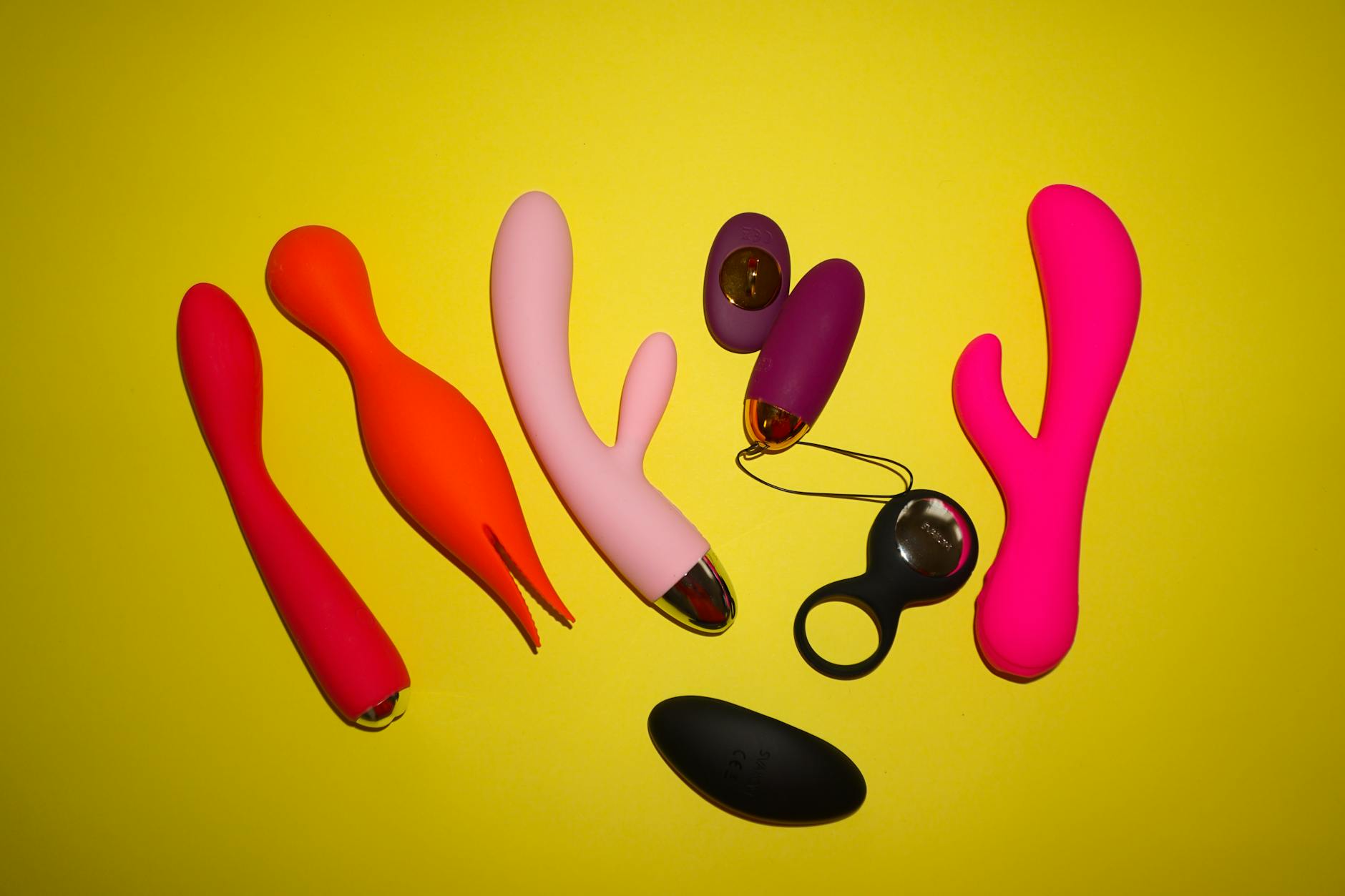
The problem nobody talks about
Let's be honest. Depression doesn't just tank your motivation to have sex. It kills the actual sensation. Your brain stops sending the pleasure signals even when your body is physically capable of responding. You touch yourself and feel... nothing. You use a toy and it's like operating someone else's body.
Then you start wondering if you're broken for good.
You're not. This is depression working exactly as it does. And here's what matters: clitoral vibrators like lemon massagers work differently when your nervous system is stuck in that flat place.
How depression numbs sensation
Depression isn't sadness. It's anhedonia. That word means your brain stops registering pleasure the way it normally does. The neural pathways that light up when you feel good, eat chocolate, laugh, or have an orgasm all get dampened. It's like someone turned the volume down on your entire sensory system.
The physical apparatus is fine. Your clitoris has all the nerve endings it always did. But the brain isn't processing the signal the same way. Even direct stimulation can feel muted, distant, like you're receiving the information but not the feeling.
This is different from how numbness feels after stress because it's neurochemical, not just psychological. When your serotonin and dopamine are depleted, your reward system is literally offline.
Why lemon vibrators work differently here
A standard vibrator works through repetitive friction and vibration. You need your brain to register that sensation and translate it into pleasure. When depression has flattened everything, that translation stalls.
Lemon clitoral vibrators use suction and pulsing patterns instead. Here's why that matters. Suction works on a different neural pathway than vibration alone. It creates a rhythmic pressure that can activate sensation even when your pleasure circuits are half asleep.
It's not magic. But it's the closest thing to it.
The suction pattern of a lemon massager stimulates the nerve bundles around your clitoris in a way that bypasses some of the neurochemical fog. Because it's pulsing pressure rather than constant friction, your nervous system has to pay attention. It's harder to zone out. Harder for the flatness to completely swallow the signal.
Start with the expectation of nothing
This is the counterintuitive part. When you're depressed and trying to reconnect with sensation, the worst thing you can do is expect pleasure. You'll feel like you're failing.
Instead, use a lemon vibrator with zero agenda. Not to have an orgasm. Not to feel something. Just to notice whatever micro-sensation shows up. A slight warmth. A tiny tingle. Pressure without numbness.
Starting from nothing and finding even 1% of sensation is a win. Your brain is re-learning that these pathways still exist.
The practical routine
If you're in an active depressive episode, here's what actually works:
Timing matters. Use your lemon vibrator during the time of day when you have the most energy and the least brain fog. For many people, that's morning or early afternoon. Depression is often worse in the evening.
Keep it short. Five to ten minutes. Longer doesn't mean better when your nervous system is already taxed. A brief session where you notice something is better than a long session where you feel nothing.
Low patterns first. Start on the lowest suction or pulse setting. Your nervous system doesn't need to be overwhelmed. It needs to be gently invited back online.
No partner pressure. If you're partnered, this is solo time, full stop. The moment you're performing or worrying about anyone else's experience, you've lost the thread. You're trying to reconnect with yourself, not prove anything to someone else.
Track the tiny shifts. After each session, write down what you noticed. Not what you felt (yet). What you noticed. A sensation. A shift. A moment where the numbness cracked for half a second. This trains your attention to look for those signals instead of assuming they're gone forever.
Depression medication and sensation
If you're on antidepressants, lemon vibrators are often more effective than traditional toys because of how they work. SSRIs and SNRIs can dull sensation, similar to depression itself, but through a different mechanism.
The pulsing suction pattern of a lemon clitoral vibrator is more likely to break through that medication-induced numbness than a standard vibrator because it demands more neural attention. Your brain has to register the pattern, not just the repetition.
If your medication is the primary culprit, talk to your doctor about timing or switching. But while you're on it, a lemon vibrator is often your best tool for rebuilding sensation.
The timeline is not linear
Here's what therapy and coaching have taught me: depression recovery is not a straight line. You'll have a day where sensation comes back and you'll feel hopeful. Then two days where you're completely flat again. That's not failure. That's how your brain re-learns to feel.
Stay consistent. Use your lemon vibrator on the same schedule, even on the days when it seems useless. Especially on those days. You're building a new neural pathway. It takes repetition.
Most people notice real shifts after 2-3 weeks of consistent use. Not necessarily orgasms. But actual sensation returning, bit by bit.
When to talk to a doctor
If you're depressed and sensation isn't returning after six weeks of consistent efforts, talk to your healthcare provider. It might mean your medication needs adjustment, your depression needs a different treatment approach, or something else is going on.
Depression that completely blocks sensation is a sign that your brain chemistry needs support. A lemon vibrator can help you reconnect, but it can't replace treatment. Use it alongside therapy, medication, whatever your doctor recommends.
Same thing if using your vibrator actually hurts, causes pain, or makes anxiety spike. That's not a signal to push harder. That's your nervous system saying it needs a different approach.
Rebuilding pleasure after flatness
The weirdest part of pleasure recovery is that it often sneaks up. You'll be using your lemon vibrator in that neutral way, expecting nothing, and suddenly a real sensation will flash through. Not an orgasm. Just actual feeling.
When that happens, don't chase it. Don't try to force it to build into something more. Just notice it happened. Celebrate that your nervous system is waking back up.
Repeat tomorrow. Repeat the day after.
This is how you come back from numbness. Not through willpower or the right toy, but through gentle, consistent reconnection. Your lemon vibrator is the tool. Your patience with yourself is what makes it work.
People also ask
Can depression completely destroy your ability to have orgasms?
No. Depression can block the sensation pathway, but it doesn't damage the physical capacity. Once your brain chemistry starts stabilizing, through medication, therapy, or time, that capacity returns. Using a lemon vibrator while you're depressed helps train your nervous system to notice sensation again, even in small doses.
Why do lemon vibrators work better than traditional vibrators when I'm depressed?
Traditional vibrators rely on repetitive friction and vibration, which requires your pleasure circuits to be somewhat responsive. Lemon clitoral vibrators use suction and pulsing patterns that activate different neural pathways. Because suction demands more attention from your nervous system, it's more effective at breaking through the numbness that depression creates.
How long does it take to feel pleasure again after depression?
It varies widely. Some people notice micro-sensations within two weeks of consistent use. Others take two to three months. The key is not waiting for a full orgasm or intense pleasure, but celebrating tiny shifts in sensation. That's your brain rewiring itself.
Should I use a lemon vibrator if I'm having suicidal thoughts?
No. If you're in active crisis, your priority is safety and professional support, not pleasure recovery. Reach out to a mental health professional, crisis line, or hospital. Once you're stabilized with proper support, a lemon vibrator can be part of your recovery toolkit.
Can I use a lemon vibrator while taking antidepressants?
Yes. Many antidepressants numb sensation, so a lemon vibrator's suction-based design often breaks through that numbness better than traditional toys. Just make sure you're using it as part of comprehensive treatment, not instead of medication. Talk to your doctor if you have concerns about sexual side effects.
What if my partner wants to help me use the vibrator but I'm not ready?
Trust that instinct. When you're recovering from depression numbness, solo time with your lemon vibrator is part of the healing. It's not rejection of your partner. It's you re-learning what your own body feels like without performance pressure. Once sensation starts returning, you can decide if and when to include your partner.
Moving forward
Depression is a liar that tells you pleasure is gone forever. It's not. Your nervous system is just temporarily offline. A lemon vibrator, used consistently and without pressure, can help you remember that sensation is still possible.
Your pleasure matters. Getting it back matters. And it does come back, even when the flatness feels permanent.
If you're struggling with depression's impact on your sexuality and want personalized guidance, reach out. Recovery is possible. You don't have to figure it out alone.