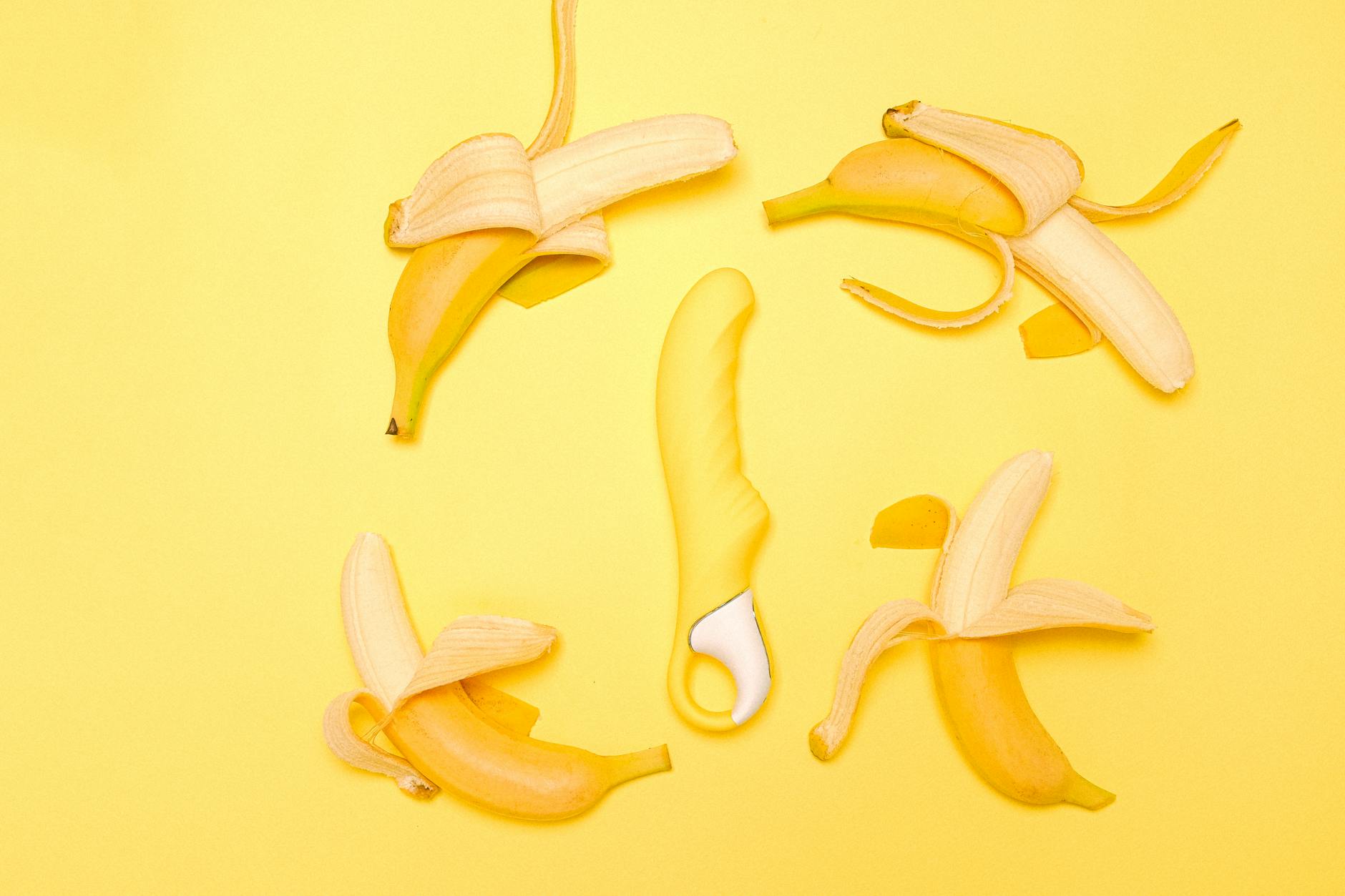
Here's the thing about lemon vibrators
Not every lemon clitoral vibrator works for every body. That sounds obvious, but the wellness industry has trained us to believe that the most popular toy is the one that will work for us. With lemon vibrators and suction toys in general, that assumption fails you fast.
The difference between a lemon vibrator that transforms your pleasure and one that sits in a drawer comes down to three factors: sensitivity level, sensation preference, and how your body responds to different pressure patterns. I've worked with hundreds of people navigating this choice, and the ones who get it right aren't the ones who follow someone else's hype. They're the ones who understand their own body first.
Why sensitivity matters more than brand
Lemon vibrators work through gentle suction and pattern simulation. That's fundamentally different from traditional vibration, which means the same intensity setting that works beautifully for one person can feel overwhelming or underwhelming for another.
Your sensitivity isn't fixed. It changes based on where you are in your cycle, stress levels, medications, and frankly, how much attention you've paid to your own pleasure lately. Someone with high baseline sensitivity might need a lemon vibrator set to the lowest patterns. Someone with lower sensitivity might need higher intensities or longer warm-up time before the sensation registers as pleasurable.
The other variable nobody talks about: skin thickness. The tissue on your vulva varies in sensitivity depending on natural variation, age, and whether you've experienced hormonal shifts. A lemon sucker creates very targeted sensation. If you have thinner, more reactive tissue, you might find lower settings more satisfying than someone with thicker tissue who needs more sustained pressure to feel engaged.
Mapping your sensitivity baseline
Before you pick a lemon clitoral vibrator, you need to know your sensitivity type. Here's how to assess it honestly.
High sensitivity. You feel touch easily. A light finger stroke registers strongly. Traditional vibrators sometimes feel too much. You prefer gentler direct contact. You may find standard vibration draining or overstimulating. You're probably someone who benefits from longer warm-up and lower intensities.
If this is you: start with lower-intensity lemon vibrators. The Lem works brilliantly for high-sensitivity bodies because you can stay on patterns 1-3 and still experience intense pleasure.
Moderate sensitivity. You need moderate pressure to feel pleasure building. A light touch is nice but not enough. Traditional vibration works, but you're open to different sensations. You're not easily overwhelmed. You probably like variety in pattern and intensity.
If this is you: you have the most flexibility. Most lemon vibrators in the mid-range work well for moderate bodies. You can likely start at pattern 3-4 and explore from there.
Lower sensitivity. You need firm, sustained pressure or complex patterns to feel pleasure. Light touch doesn't register as much. You might prefer powerful vibration over gentle suction. You sometimes feel frustrated because toys stop working or feel repetitive.
If this is you: lemon vibrators can actually reset your sensitivity threshold. Many people with lower baseline sensitivity discover that the unique sensation of suction reawakens nerve response they thought was gone. If you start low and give your body time to adjust, you might find that a lemon vibrator becomes more satisfying than the more intense toys you've been using.
The pattern preference question
Beyond intensity, lemon vibrators offer different pattern types. Not all feel the same, and your preference tells you something about what your nervous system actually wants.
Steady suction. Constant, unbroken pressure. This mimics oral sensation most directly. If you love the feeling of a partner's mouth or find building arousal easier with consistent stimulation, steady patterns are your baseline.
Pulsing patterns. On-off rhythm, usually faster. These create a wave effect that some people find more dynamic and engaging than steady pressure. If you like rhythm, music, or predictable patterns that intensify, pulsing works better.
Mixed patterns. Combination of suction intensity changes within one pattern. More complex sensation. If you get bored easily or like surprise, mixed patterns keep you engaged longer.
Most people discover they have a primary preference and a secondary one. You might love steady patterns for warm-up and pulsing for climax. Or vice versa. That's completely normal. When you're choosing a lemon vibrator, ask yourself: do I want novelty or reliability? Rhythm or constancy? The answer guides your pattern selection.
Body type considerations (but not the way you think)
When I say body type matters, I don't mean size. I mean anatomical variation in vulva shape, clitoral prominence, and pelvic floor tension.
Some people have very prominent clitorises. The suction cup of a lemon vibrator seals easily and creates strong sensation quickly. You might need to keep intensity low or use a toy with a slightly larger opening to avoid discomfort.
Others have less prominent anatomy. The suction takes longer to build sensation, but once it does, the experience can be incredibly satisfying. You might benefit from slightly higher intensities or longer warm-up time. This doesn't mean the toy isn't working. It means you need patience.
Pelvic floor tension also shifts how lemon vibrators feel. If your pelvic floor is chronically tight (common for people with anxiety, trauma history, or high stress), you might find that suction feels blocked or muffled at first. Learning to consciously relax the pelvic floor before and during use transforms the experience. It's not about the toy. It's about the container you're creating for sensation.
How cycle and hormones shift your choice
Here's something most toy guides skip: your sensitivity and preference shift across your cycle if you menstruate, and throughout different life phases if you don't.
During the follicular phase (first half of cycle), many people find that sensitivity peaks. You might enjoy higher intensities. During the luteal phase (second half), sensitivity drops. You might need lower intensities or longer warm-up.
After menopause, tissue changes. A lemon vibrator often becomes more comfortable than traditional vibrators because the gentle suction doesn't require the same tissue friction. The pattern intensity that worked before menopause might feel too intense afterward.
Pregnancy changes sensation completely. If you're pregnant and interested in lemon vibrators, lower intensities are safer, and you might find that stimulation patterns you loved before feel strange now. That's not a sign to stop. It's a sign to recalibrate.
The warm-up time factor nobody mentions
Lemon vibrators reward patience in a way traditional toys don't. If you jump straight to pattern 5, you'll miss the whole experience. If you start at pattern 1 and let your body build arousal, you often find that lower intensities are way more satisfying than you expected.
Warm-up time depends partly on sensitivity but mostly on whether your nervous system is actually ready for pleasure. If you're stressed, distracted, or haven't prioritized your own sensation in a while, you need longer. Could be 10 minutes. Could be 30. That's not dysfunction. That's your body saying "slow down."
I recommend starting every session at pattern 1 or 2, regardless of what you did last time. You might find that 5 minutes in, pattern 1 feels incredible. Or you might need to climb to pattern 4. The point is: you're following your body's signal, not a predetermined intensity.
Testing before you commit
You can't know if a lemon vibrator is right for you until your body actually experiences it. That means if you're new to lemon toys, or if you have very high or very low sensitivity, ordering online feels risky.
Here's what I tell people: start with Hello Nancy's most versatile option. The Lem works across the sensitivity spectrum because the pattern range is wide enough that nearly everyone finds their sweet spot. It's not the flashiest or cheapest, but it's the safest entry point if you're uncertain.
Once you understand what pattern types and intensities your body actually responds to, you can explore other lemon clitoral vibrators and sexual toys with more confidence. You'll know whether you need more intensity, different patterns, or a specific design feature.
Lube, lube, and more lube
Sensitivity also depends on lubrication. A lemon sucker creates suction that works better with consistent moisture. If you're not naturally lubricated, or if your tissue is thinner (menopause, certain medications), water-based lube isn't optional. It's essential.
Lube changes how sensation feels. More lube means the suction cup slides more easily and sensation is slightly softer. Less lube means deeper, more direct sensation. Finding your lube preference is part of finding your lemon vibrator preference.
Water-based lube is the safest bet because most lemon vibrators are silicone. If you're pairing a lemon vibrator with a partner or other toys, water-based works universally.
When to upgrade or switch
A common mistake: assuming that if a lemon vibrator isn't working after one try, it's the wrong toy. Usually it's not. You need maybe five to ten sessions to understand how your body actually responds.
After that, if you're consistently underwhelmed, you might genuinely need a different intensity level, pattern type, or even approach. That's when you reassess.
If you're consistently overstimulated, don't power through. Go lower. Your pleasure doesn't live at maximum intensity.
The truth about body knowledge
Choosing the right lemon vibrator isn't about finding the "best" toy. It's about knowing your own body well enough to match what it actually needs. That knowledge is built through attention, experimentation, and honesty about what feels good versus what you think should feel good.
Sensitivity isn't weakness or lack of response. It's data. Lower sensitivity isn't worse. It's different. Moderate sensitivity isn't boring. It's flexible. Your job is to stop comparing and start listening.
Frequently asked questions
How do I know if I have high or low sensitivity?
Start with this: when you touch yourself with your fingers, how much pressure do you need before it feels good? Light pressure means higher sensitivity. Moderate to firm pressure means lower baseline. If you're not sure, that usually means moderate sensitivity. Try a lemon vibrator at pattern 2-3 for a few sessions and notice what happens. Your body will tell you quickly if you need to go higher or lower.
Can lemon vibrators change your sensitivity over time?
Yes, absolutely. Many people find that using a lemon vibrator regularly actually increases their sensitivity, especially if they've been numb from using very intense traditional vibrators. Suction works differently. It can wake up nerve endings that felt dormant. That's one reason people with lower baseline sensitivity sometimes find lemon toys revolutionary.
Does my cycle really affect which lemon vibrator I prefer?
It can, yes. If you menstruate, try tracking what intensities and patterns feel best in each phase of your cycle. You might notice patterns. Some people are consistent. Others shift. The important thing is knowing this is normal, not a sign that something's wrong with you or the toy.
What if I'm between sensitivity levels?
Most people are. That's moderate sensitivity, which is actually the most versatile. You can probably enjoy most lemon vibrators in the mid-range of their intensity. Start at pattern 3 and adjust based on what you feel. You're not locked into any one setting.
Is it normal for a lemon vibrator to feel different every time I use it?
Completely normal. Arousal level, stress, hydration, time of day, and about a hundred other variables shift how sensation feels. What felt intense last week might feel gentle this week. That's not the toy failing. That's your body being a complex, responsive system. Go with what feels good that day.
How do I know if I should try a different lemon vibrator or adjust my technique?
Give it ten sessions minimum before switching. Then assess: is the intensity wrong, or is the pattern wrong? Do you need more warm-up time? More lube? Different positioning? Those adjustments often matter more than changing toys. If you've genuinely optimized all of that and you're still not feeling it, then a different lemon clitoral vibrator might be the answer.
The bottom line
Choosing a lemon vibrator is about matching sensation to your actual body and preferences, not following someone else's recommendation. Your sensitivity level, pattern preference, and anatomical variation all matter. Start low, warm up longer than you think you need, and listen to what your body tells you. The right lemon vibrator isn't the most popular one. It's the one that works for you.