Here's what nobody tells you about breakup sex
When a relationship ends, your body doesn't get the memo. Your nervous system is still wired for another person's touch, your brain is still expecting to merge with someone else's rhythm, and your pleasure response feels like it belongs to a stranger. This isn't weakness or evidence that you weren't ready to move on. It's neurobiology. After months or years of partnered sex, your body literally has to relearn how to be alone.
That's where lemon vibrators come in. Not as a band-aid, but as a tool for remapping sensation, rebuilding confidence, and actually discovering what turns you on when no one else is in the room.
Why pleasure feels broken right after a breakup
Your body learned its arousal pattern with another person. Their touch, their timing, their energy became part of your sexual script. When they're gone, that pathway gets disrupted. You might feel numb, or overstimulated, or weirdly disconnected from sensations that used to work instantly. Some people report that their orgasms feel shallow or distant. Others find it hard to get aroused at all. None of this means you're broken. It means you're grieving at a cellular level.
There's also the emotional layer. If the breakup was painful, your body might be protecting you by downregulating sensation. If you're carrying shame about how things ended, that can lock up your pelvic floor and create a physical barrier to pleasure. And if you're still cycling through anger, sadness, or just numbness, your brain doesn't have the bandwidth to focus on arousal. That's not failure. That's your nervous system doing its job.
Why lemon clitoral vibrators work differently for solo reconnection
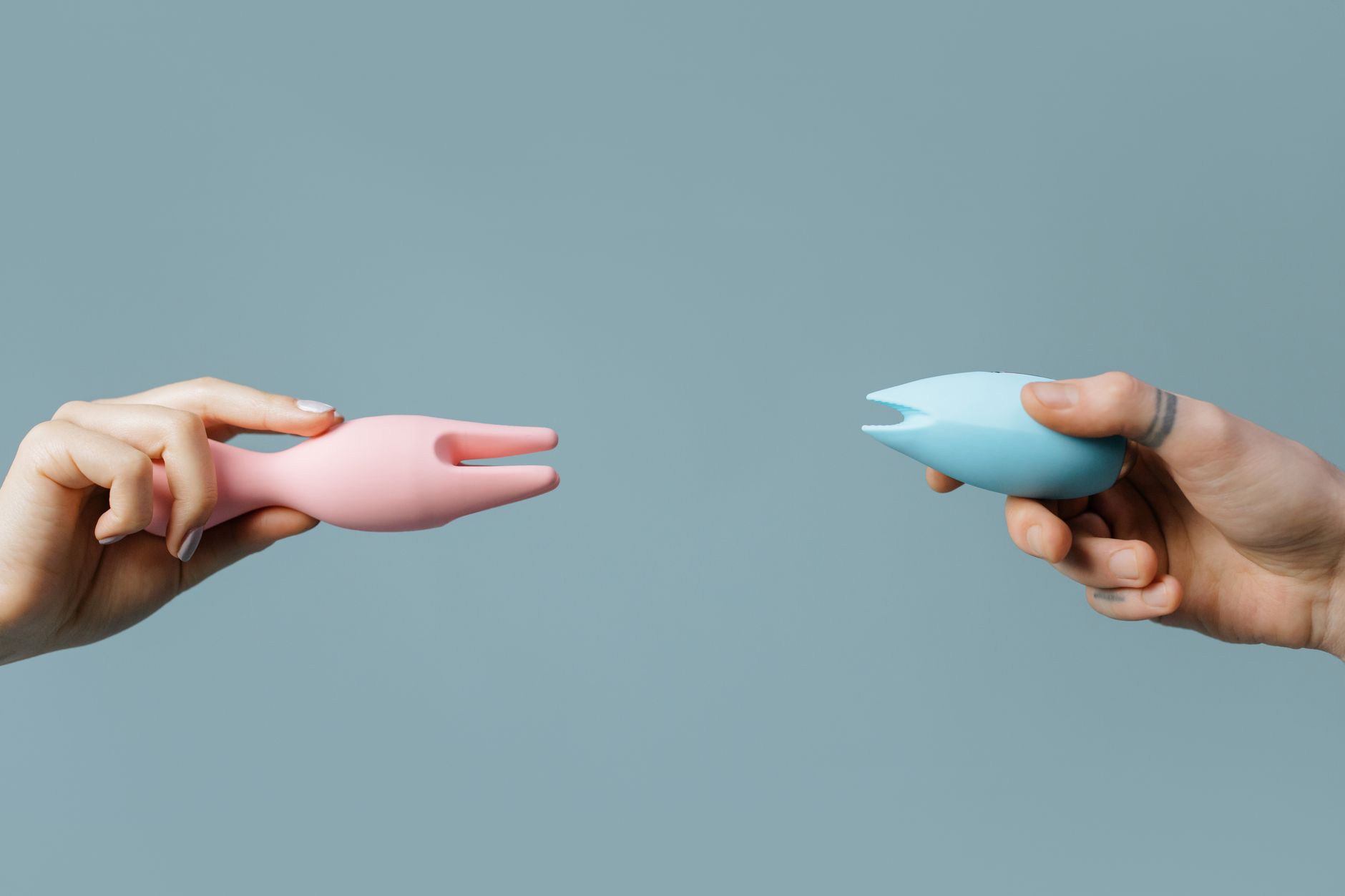
Unlike traditional vibrators, lemon vibrators use gentle suction and pulsing patterns that work with your body instead of against it. This matters hugely after a breakup because your nervous system is already overwhelmed. Direct vibration can feel jarring. Suction stimulates the clitoris without aggressive friction, which means you can use it without triggering a sense of pressure or performance.
There's also something psychologically important about how a lemon vibrator feels. It's not trying to replicate another person's touch. It doesn't remind you of partnered sex or create an expectation of reciprocal connection. You're using it purely for yourself, on your own terms, at your own pace. That mental permission shift is as important as the physical sensation.
The suction-based design also means you can start extremely low and slow. Many breakup survivors find that gentle, sustained suction for 10 or 15 minutes without any goal of orgasm is what reconnects them first. You're not performing. You're not trying to reach a finish line. You're just slowly waking up sensation in your body again.
How to start: the first two weeks
If you're less than two weeks out from a breakup, you're likely still in acute grief. This isn't the time for solo pleasure work. Your nervous system needs rest. Instead, focus on gentle touch that feels neutral. Take a warm bath. Get a massage. Let your body just exist without goal or expectation.
Around week two or three, when the acute shock starts to settle, you can begin exploring again. Start with this approach.
Step 1: No orgasm agenda. Set aside 15 minutes when you have zero pressure and no plans afterward. The entire goal is sensation, not climax. Many people feel like they've failed if they don't come, which creates performance anxiety on top of breakup trauma. Remove that expectation completely.
Step 2: Start with your hands first. Before you touch the Lemon, spend 5 minutes just reconnecting with your body through manual touch. No pressure. No goal. Just awareness. Notice what feels warm, what feels tense, what feels neutral. This grounds you in present-moment awareness instead of grief or expectation.
Step 3: Use the Lemon on the lowest setting for 10 minutes. The clitoral vibrator should feel like a gentle companion, not an interrogation. You're not looking for intensity. You're looking for sensation. Many people find that at the lowest setting, a lemon vibrator feels almost meditative. It's a sustained, gentle pull rather than a jackhammer. If 10 minutes feels boring, that's okay. Boring is good right now. Boring means low pressure.
The middle phase: weeks 3-8
Once sensation starts returning (and it will, usually within two to four weeks), you can begin exploring with more intention. This is where pleasure actively heals.
Experiment with timing. Try using your lemon vibrator at different times of day. Some people find that morning sensation is more accessible than evening sensation. Some find the opposite. There's no right answer. You're conducting a quiet research project on your own body.
Explore different patterns. The Lemon has multiple settings. Spend a week on one pattern, then switch. Notice what draws you. Notice what makes your breathing change. Notice what makes you clench. All of this information is data about your pleasure, not judgment about what you should want.
Add manual touch back in. Around week 4 or 5, many people feel ready to combine the vibrator with their hands. Try using your fingers elsewhere while the Lemon works, or alternate between manual touch and the toy. You're gradually teaching your body that pleasure can come from you alone, and that it doesn't need another person to feel complete.
Spend time on almost-there. Some people find that they can feel arousal building, but stopping just before orgasm creates a deeper reconnection. It's not about the edge game for thrill. It's about teaching your body that pleasure is a journey, not a destination. Spend time in that almost-there space without demanding release.
The psychological piece: addressing shame and grief
Pleasure after a breakup isn't just physical. If you're using a lemon clitoral vibrator and finding that you feel guilty, that's worth sitting with.
Some of that guilt comes from your nervous system's loyalty to a partner who's gone. Part of you might feel like solo pleasure is betrayal, especially if the breakup was painful or complicated. That feeling will fade with time and repetition. The more you reclaim solo pleasure, the more your body will trust that you're allowed to have it.
Other guilt comes from socialization. Many people were taught that sex is supposed to be with a partner, for a partner, or at minimum not too much alone. Using a lemon vibrator to reconnect with yourself is directly counter to that messaging. That's not a reason to stop. That's a reason to notice the guilt, acknowledge it, and keep going.
If you find yourself crying during or after using your vibrator, that's not a sign something is wrong. Orgasm and emotional release often happen in the same nervous system. You might release grief, anger, loneliness, or just the strain of holding yourself together. Let it happen. That's actually the healing process working.
When to be patient with yourself
Some people rebuild solo pleasure quickly. Others take months. If you're six weeks in and still feeling numb, that doesn't mean the Lemon isn't working. It might mean your nervous system needs more time, or that there's a separate issue (like depression, medication side effects, or unprocessed trauma) that's overlaying the breakup pain.
If numbness persists past eight weeks, it's worth checking in with yourself about whether there's something else going on emotionally. Sometimes a breakup unmasks a bigger struggle with desire or pleasure that wasn't visible before. That's not a failure. That's useful information.
The long game: pleasure as self-knowing
The real gift of reconnecting with solo pleasure after a breakup isn't just that you can orgasm alone. It's that you learn what actually turns you on when there's no one to perform for, no one to accommodate, no one to merge with. You learn your own rhythm. You learn how your body responds to different times, different moods, different patterns. You learn what you actually need, not what you thought you should need.
That knowledge is bulletproof. When you eventually partner again (if you choose to), you'll bring a body that knows itself. You'll know what works. You'll know your own pleasure map. And you'll be infinitely more likely to advocate for yourself, to ask for what you need, and to recognize when someone else's touch matches what your body actually wants.
Using lemon vibrators to reconnect after a breakup isn't a consolation prize for lost partnership. It's the beginning of a conversation with yourself that gets richer and more complex the longer you listen.
People also ask
How long does it typically take to feel pleasure again after a breakup?
Most people start noticing arousal returning within two to four weeks of consistent exploration, though for some it takes longer. This depends on how long the relationship lasted, how the breakup happened, and what else is going on in your life. If you're also dealing with depression, sleep disruption, or other major stress, pleasure often takes a back seat. That's normal. Your body has its own timeline, and pushing harder rarely helps. The patience itself is the healing.
Can using a lemon vibrator make me feel more lonely?
Sometimes, yes. If you're using it while actively grieving, or if the solo pleasure highlights the absence of partnered touch, that can be hard. The solution isn't to avoid it. It's to notice the loneliness, let yourself feel it, and keep going. Loneliness is temporary. Pleasure is a skill you're rebuilding. Both can coexist.
Should I wait until I'm completely over my ex before exploring solo pleasure again?
No. Waiting until you're "completely over it" could mean waiting years. Pleasure actually helps you move through grief, not the other way around. It reminds your body that you're alive, that you have agency, that you don't need permission from another person to feel good. Start when you feel even slightly ready, and let the process of reconnecting with yourself be part of moving forward.
What if I still think about my ex while using a lemon vibrator?
That's common, especially in the first month or two. Your brain has neural pathways associated with that person and sex. New pathways take repetition to build. If intrusive thoughts about your ex happen, you can gently redirect your attention to physical sensation, to your breath, to the sound of the vibrator. You don't have to force your ex out of your mind. You just keep bringing your attention back to yourself. Over time, the intrusive thoughts fade naturally.
Is it weird to use a vibrator if I'm not interested in partnered sex yet?
Not at all. Solo pleasure and partnered sex are completely separate skills. You can rebuild one without the other. Some people reconnect with solo pleasure first, then gradually feel ready to date. Some people need to process the breakup fully before they want another person near them. Your timeline is your timeline. Using a lemon vibrator is about you, not about preparing for your next relationship.
How do I know if I'm using a lemon vibrator too much after a breakup?
If you're using it daily and it's becoming a way to avoid feelings rather than process them, that might be worth examining. But "too much" varies wildly. Some people benefit from daily reconnection. Others find once or twice a week feels right. The test is whether you're using it out of genuine curiosity and pleasure, or whether you're using it to numb out. One is healing. The other is avoidance. You probably know the difference.
Reconnecting with solo pleasure after a breakup isn't a shortcut through grief. It's a way of telling your body that you're still here, that you still matter, and that pleasure doesn't depend on another person's presence. That matters.