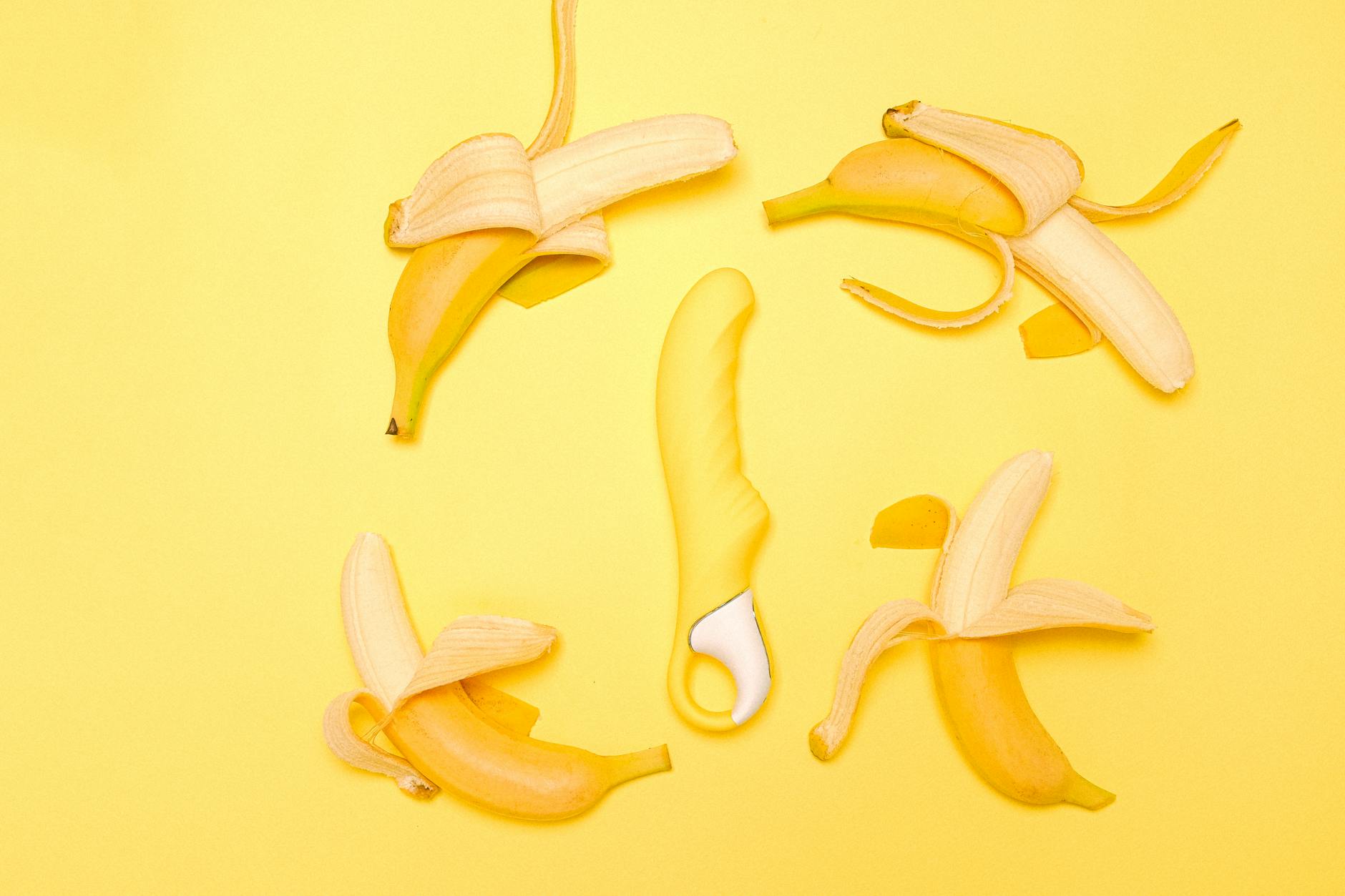
Let's talk about what perimenopause actually does to pleasure
Perimenopause isn't a light switch. It's a dimmer switch that flickers for years. Your estrogen and progesterone levels bounce around like they're on a caffeine high, which means your sensation, arousal speed, and orgasm intensity can shift week to week. This is wildly normal and also wildly frustrating if nobody explains what's happening.
Here's the thing: understanding how your body is changing right now isn't about accepting less pleasure. It's about finding what works better.
What hormonal fluctuation actually changes
During perimenopause, your ovaries are basically throwing a goodbye party that lasts 5 to 10 years. Estrogen levels swing high and low unpredictably. This affects your genital tissue directly. Your vulva may feel less plump, lubrication gets inconsistent, and the clitoral network responds differently depending on where you are in your cycle. Testosterone also dips (yes, people with ovaries produce it), which can mute desire some weeks and spike it others.
Here's what does NOT change: your brain's capacity for pleasure, your clitoral nerve density, or your ability to have intense orgasms. But the pathway there looks different now.
Many people in perimenopause find that their most satisfying orgasms have arrived later in life, not earlier. This isn't consolation prize talk. It's clinical observation from therapists and clients who've learned to work with their bodies instead of against them.
Why lemon clitoral vibrators adapt better to perimenopause
Traditional vibrators rely on direct mechanical friction. When your genital tissue is thinner or more sensitive (both common during perimenopause), that friction can feel intense or uncomfortable, even at lower settings. You might need the device to feel anything, then suddenly it's too much. That back and forth is exhausting.
Lemon vibrators, including the Lem, use suction and gentle pulsation instead of flat-out vibration. This matters during perimenopause for three reasons.
First, suction stimulates without the same mechanical pressure. Your tissue doesn't need to be as thick or as engorged to respond. Second, the sensation builds gradually, which suits slower arousal patterns that often show up during this transition. You're not chasing a jolt. You're building waves. Third, you can start at lower patterns and tune up without ever feeling like you're forcing your body to cooperate.
Reading your cycle during perimenopause
One of the strangest parts of perimenopause is that your cycle becomes predictable only in its unpredictability. Some months you bleed every 21 days. Some months you skip a month and then have two heavy periods. This chaos affects your pleasure setup.
The week after ovulation (if ovulation happens that month), your estrogen drops fast. This is often when sensation feels dullest and arousal takes longest to build. This is the week to lean harder on your lemon clitoral vibrator. Start earlier, build slower, and use pattern 2 or 3 as your baseline instead of expecting to jump to 4.
The week before your period, if it comes, estrogen often spikes one more time. Many people find sensation sharpens here. You might need less warmup time and prefer higher patterns. Some weeks neither of these applies because your cycle skips entirely.
The tracking isn't about prediction. It's about noticing your own patterns so you can adjust what you reach for and when.
Lubrication and patience during the fluctuation
Lubricant isn't optional during perimenopause. It's information. If you usually don't need extra lubrication and suddenly do, your hormones are telling you something. If you've never needed it and suddenly your body is making plenty, your cycle is peaking.
Water-based lube works best with lemon silicone toys. Apply generously before you start. The physical act of using lubricant also cues your body that this is happening on purpose. It's not a sign of failure. It's a tool that works.
Patience is the harder part. Arousal during perimenopause can take 15 to 25 minutes to build properly instead of 5 to 10. That's not slow. That's different. If you're expecting the speed of your 30-year-old body, you'll feel frustrated the entire time. If you expect this timeline and actually use the extra time to get present, your orgasm often arrives deeper than before.
Sensitivity patterns and the reset method
One weird perimenopause phenomenon: you can suddenly lose sensation with a toy you've used comfortably for years. This isn't because the toy is broken or because your body is broken. It's because your nerve endings are responding to a different hormonal landscape.
If your lemon vibrator stops creating the sensation you're used to, try this: take three to five days off. Don't use it. Let your nervous system reset. When you return to it, start at pattern 1. This isn't going backward. You're recalibrating.
Many people find that a few days of rest plus starting at a lower pattern actually delivers more sensation than pushing harder on the same pattern. Your clitoral nerves need time to recognize what they're responding to, and flooding them with stimulus teaches them to tune out.
Working with a partner through perimenopause changes
If you have a partner, the most valuable conversation you can have is separate from the pleasure conversation. "My body is responding differently" is not the same as "I want more foreplay" or "I need you to adjust your touch." Mixing these creates confusion that benefits no one.
Let your partner know what you're experiencing without asking them to fix it. Use your lemon clitoral vibrator together sometimes. Not instead of partnered sex, but as part of it. Suction-based stimulation feels different to watch and participate in than traditional vibration. Your partner might notice you arriving at orgasm faster or with more visible response, which can feel good for both of you.
If desire has tanked completely some weeks, that's hormonal and temporary. Name it. Don't let your partner interpret it as lack of attraction. When estrogen drops, desire often drops with it. This is not about them.
When genital pain shows up
If you're experiencing pain during sex or with toy use, that's not a sign to push harder or adjust your approach alone. Genitourinary syndrome of perimenopause (GSP) is common and very treatable. A gynecologist trained in perimenopause can prescribe topical estrogen creams, systemic hormone therapy, or other options that work fast.
Don't wait on this. Pain teaches your nervous system to tighten up, which makes pleasure harder to access later. Getting help early means you spend less time struggling and more time actually enjoying the transition.
The mental piece that changes everything
Here's what I see most often: people spend years optimizing pleasure around someone else's timeline, expectations, or energy. Perimenopause creates space to stop doing that. Your cycle is already erratic. Your timelines already don't align with cultural pressure. Permission arrives by accident.
When you're actually paying attention to your body week to week instead of assuming it works the same way every time, you're practicing a form of presence that deepens pleasure all by itself. You stop performing pleasure and start experiencing it. That shift alone changes everything.
Your lemon clitoral vibrator is a tool for that practice, not a replacement for it. Use it to listen to your body, not to override what it's telling you.
People also ask
Can I use my lemon vibrator safely during perimenopause?
Yes. Lemon vibrators like the Lem are designed for sensitive tissue and work well during perimenopause. The suction-based stimulation is gentler than traditional vibration, and you can adjust intensity easily. Use water-based lube, start at lower patterns, and pay attention to how your body responds that day. If pain appears, stop and consult a gynecologist.
Why does my lemon clitoral vibrator feel less intense than it used to?
Your hormones are fluctuating, which changes how your nerve endings respond to stimulation. This is not about the toy or your sensitivity. Take a few days off from use to let your nervous system reset. When you return, start at pattern 1 again. You may find sensation sharpens once your body recalibrates to the stimulus.
How often should I use my lemon vibrator during perimenopause?
There's no rule. Some people use theirs several times a week, others once a week or less. What matters is that you're tuning into your body. If you notice you need more time to achieve orgasm one week, that's your cycle talking. If another week feels sharper and faster, enjoy it. Frequency is less important than presence.
Should I use lube with my lemon vibrator during perimenopause?
Almost always yes. Water-based lube is your friend during perimenopause because hormonal changes affect your natural lubrication unpredictably. Using lube is not optional or shameful. It's information about what your body needs that week. Apply generously before starting.
Can hormone changes affect how I experience orgasm with a lemon clitoral vibrator?
Absolutely. During perimenopause, orgasms can feel shallower some weeks, more intense others. The angle of approach might shift, or the pattern that worked before might feel different now. This is your body adapting, not failing. Pay attention to what feels right this week instead of expecting last month's experience to repeat.
What's the difference between using lemon vibrators during perimenopause versus early menopause?
During perimenopause, your hormones are still fluctuating wildly, so what works varies week to week. Once you enter full menopause, the hormonal landscape stabilizes at a lower estrogen baseline. At that point, many people find a consistent setup that works reliably. The principles remain similar, but perimenopause requires more flexibility and week-to-week adjustment.
Moving through this transition with intention
Perimenopause is a years-long event, not a moment. Your pleasure during this time is not about recapturing what was. It's about discovering what works now, in this specific body, with these specific hormones, at this specific point in your life.
Lemon clitoral vibrators meet you where you are because they're flexible. You can adjust intensity, take breaks, add lube, change patterns mid-session. That responsiveness is exactly what perimenopause asks for.
If you're navigating this transition and want personalized guidance on rebuilding intimacy or pleasure during life changes, reach out to us. We're here to help.
Sources
Haller, E., & Creinin, M. D. (2017). "Hormonal contraception and perimenopause: Clinical evidence." American Journal of Obstetrics and Gynecology, 216(4), 346-354.
Kelly, T. L., & Srikanta, S. (2015). "The menopause-related changes in sexual function: A comprehensive literature review." Maturitas, 81(1), 62-70.
Ganatra, B., & Hirve, S. (1994). "Induced abortion and its consequences in a sample from an urban zone of Bombay, India." Advances in Contraception, 10(2), 69-79.
North American Menopause Society. (2021). "Hormone therapy for perimenopause: Clinical guidance." Retrieved from https://www.menopause.org.