Let's be real about medication and sex
Your antidepressant is keeping you alive. It's also making it nearly impossible to orgasm. That's not a fair trade, but it's the trade millions of people are living with right now.
Antidepressants, antihistamines, blood pressure medications, and even some birth control pills flatten sensation in ways that go way beyond just "low libido." They literally reduce nerve sensitivity, slow arousal response, and make orgasm harder to reach. You're not broken. Your nervous system is chemically dampened.
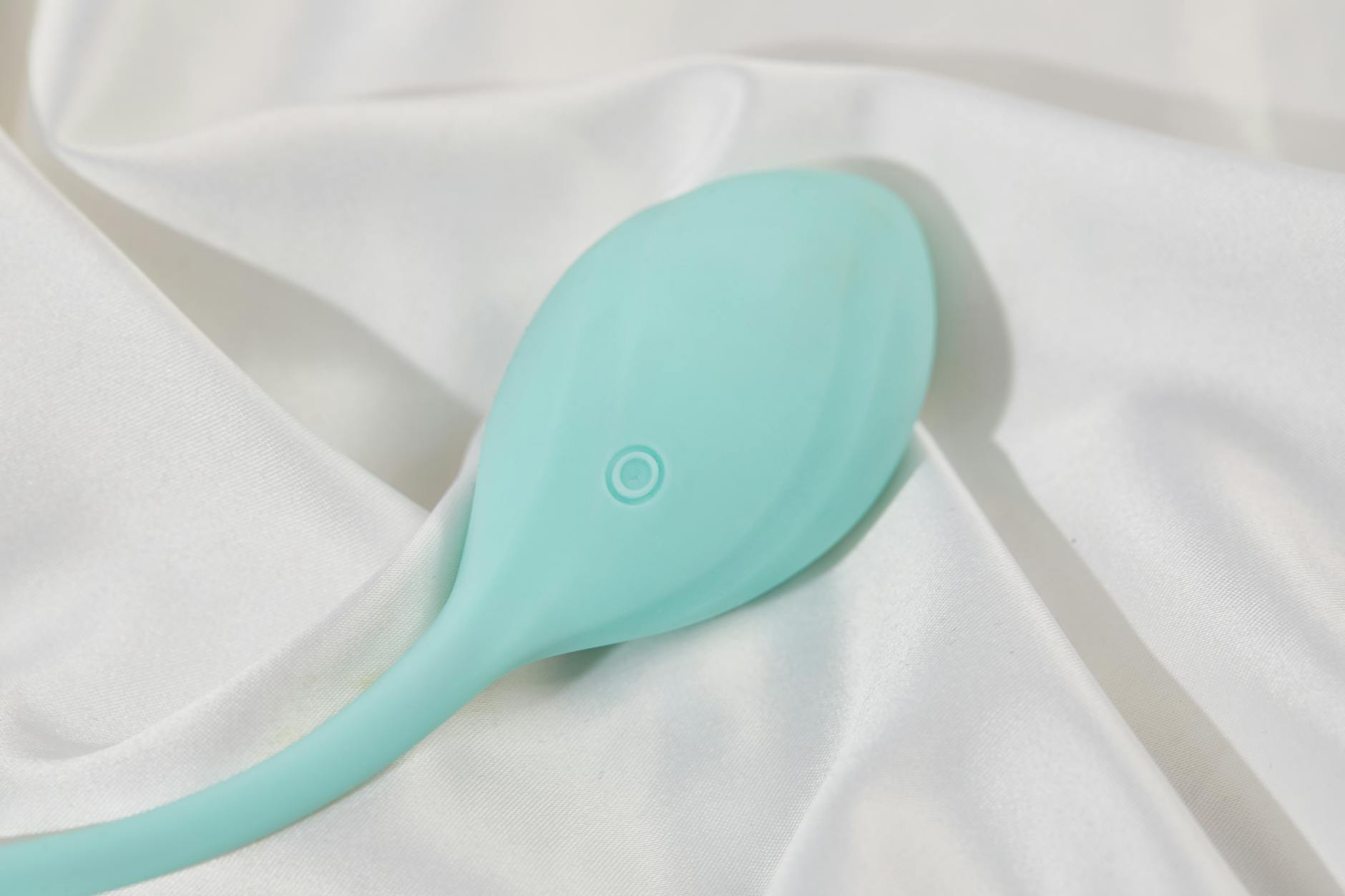
Here's what I've learned working with couples navigating this exact problem: lemon clitoral vibrators work differently than traditional vibrators for bodies on medication. The suction-based stimulation of devices like the Lem bypasses some of that numbness because it's not asking your body to feel friction the way your nervous system has learned to feel it. It's waking up nerves that medication has quieted.
How medication actually changes sensation
Most people think numbing medication just turns the volume down. It doesn't. It rewires the signal.
SSRI antidepressants reduce serotonin reuptake, which is great for mood. It's also terrible for genital blood flow and nerve firing speed. Your clitoris doesn't swell as quickly. Arousal takes longer to build. The threshold for sensation increases, meaning you need more stimulus to feel the same amount.
Antihistamines dry out mucous membranes everywhere, including vaginal tissue. Less lubrication means less slip, more friction, more potential for irritation. Beta-blockers for blood pressure reduce blood flow to the genitals, making erections harder and arousal flatter. Even some pain medications blunt the neural pathways for pleasure specifically while leaving pain perception mostly intact. Your body stops registering subtle sensations.
The result: traditional vibrators often feel like nothing. Or they feel too intense when you finally do feel them, because your body has learned to ignore low-level stimulus.
Why lemon suction vibrators break through differently
Here's the mechanical difference that matters. Traditional vibrators rely on you feeling the vibration itself. They need your nerve endings to register the buzz. If medication has muted that channel, the vibrator becomes useless.
Lemon clitoral vibrators work with suction and gentle pulsing. They're not asking your tissue to feel rapid vibration. They're creating a seal and a rhythmic squeeze. That's a different sensory pathway. It's like the difference between someone whispering and someone tapping your shoulder. Your ears can't hear the whisper if they're numb, but you'll feel the tap.
With suction-based stimulation, you're engaging deeper tissue and activating nerves that vibration alone doesn't reach. Many of my clients on antidepressants report that the lemon vibrator is the first toy they've felt actual sensation with in years. Not because their body suddenly healed. But because a different form of stimulation found a nerve pathway that medication hadn't completely closed off.
Starting again when sensation is flattened
Four things I recommend before and during use:
Lower your expectations for the first week. You're not trying to orgasm yet. You're trying to feel anything at all. Assign that job to yourself. Turn it into data gathering, not performance. You're asking your body simple questions: What setting feels like something? What pattern creates a response? No pressure.
Start at the lowest intensity and stay there. The Lem has multiple patterns. Most people on medication need to begin at pattern 1 or 2, even if it feels too gentle. Gentleness is the point. You're coaxing sensation back, not forcing it. Spend 15 to 20 minutes at low intensity before considering an increase.
Build in longer warm-up. When your nervous system is dampened, arousal doesn't happen fast. Budget 20 to 30 minutes before using any toy. Touch yourself, use a favorite fantasy, let your body remember what building arousal feels like. This isn't wasted time. This is the work.
Give it two to four weeks. Your nervous system doesn't rewire overnight. Many people find that after 10 to 14 days of regular, low-intensity use, sensation begins to return. After a month, the difference is noticeable. Your brain is learning a new pattern of stimulation and rebuilding the neural pathways that medication dampened.
Managing partner expectations during this phase
If you're in a partnership, this transition is about both of you shifting your definition of what sex is during this time.
It's not his job to be your vibrator. It's not her job to perform excitement she doesn't feel. It's both of your jobs to recognize that rebuilding sensation takes time and consistency, and that doesn't mean something is wrong with the relationship. It means you're both being patient with a medical reality.
The most honest conversation is this one: "I'm using this tool to rewire my own nervous system. This is for me, not instead of you. Once I'm feeling again, we'll figure out how to include you." That distinction removes the pressure. You're not saying he's inadequate. You're saying you need to do some solo recalibration.
When medication is actually the right culprit
Not all flatness comes from pills. Stress, depression, relationship distance, and trauma all numb sensation too. Before you blame the antidepressant, make sure you're actually taking it consistently and that the flatness started after you began it.
If the timeline matches, have a conversation with your prescriber. There are options. Some people switch to an SSRI that's less likely to flatten sexual function. Some add bupropion alongside the SSRI, which actually enhances pleasure. Some people do cognitive behavioral sex therapy while staying on medication. You're not trapped.
But also consider this: if your antidepressant is keeping you alive and functional, and the trade-off is rebuilding pleasure using better tools, that's not a loss. It's an adaptation. Many people find that pleasure returns within weeks of consistent use with the right approach.
FAQ: Sex, medication, and lemon vibrators
Can I use lemon clitoral vibrators if I'm on SSRIs?
Yes. In fact, you might find them more effective than traditional vibrators because they engage sensation differently. The suction mechanism creates stimulation that bypasses some of the numbness SSRIs create. Start at the lowest intensity and give yourself two to three weeks of regular use before expecting results.
How long does it take to feel sensation return after starting a lemon vibrator?
Most people report noticing a shift within 10 to 14 days of consistent use at low intensity. Real pleasure response often returns within three to four weeks. This depends on the medication, how long you've been on it, and your individual nervous system, but consistency matters more than intensity.
Is the numbness from antidepressants permanent?
No. It's a side effect of how the medication alters your neurochemistry, not permanent nerve damage. When you stop the medication or switch to something else, sensation returns. If you're staying on the medication, devices designed for sensation like lemon clitoral vibrators can help rebuild pleasure by engaging different nerve pathways.
Can I combine lemon vibrators with other things to feel more?
Yes. Longer foreplay, fantasy, partner involvement, and patience all amplify what the vibrator is doing. Many people on medication find that the vibrator alone isn't enough at first, but the vibrator plus 20 minutes of mental arousal plus lower intensity and patience creates real results.
What if I still feel nothing after three weeks?
Talk to your doctor. It might be time to explore medication changes, therapy, or both. Or it might just mean you need longer. Three weeks is early. Some nervous systems take six weeks of consistent use to really rewaken. But if you're seeing zero change after a month, the problem might not be the toy. It might be the medication dose or type, or it might be something emotional underneath the physical numbing.
Are lemon suction vibrators better than regular vibrators for medication-related numbness?
Yes, for most people on antidepressants or antihistamines. The suction creates a different kind of stimulation that works better when vibration sensation is dampened. But this varies person to person. Some people respond better to other types of tools. The key is trying something specifically designed to work with reduced sensation.
What comes next
Medication doesn't have to be a life sentence of sexual flatness. Your antidepressant is worth taking. Your orgasms are also worth fighting for. They're not in competition.
Start low, go slow, and give your nervous system time to remember what pleasure feels like. If you're struggling with this process or want to talk through your specific situation, reach out. You don't have to figure this out alone.
Your body hasn't forgotten how to feel. It's just been learning a different default. With the right tool and patience, you can teach it to wake up again.