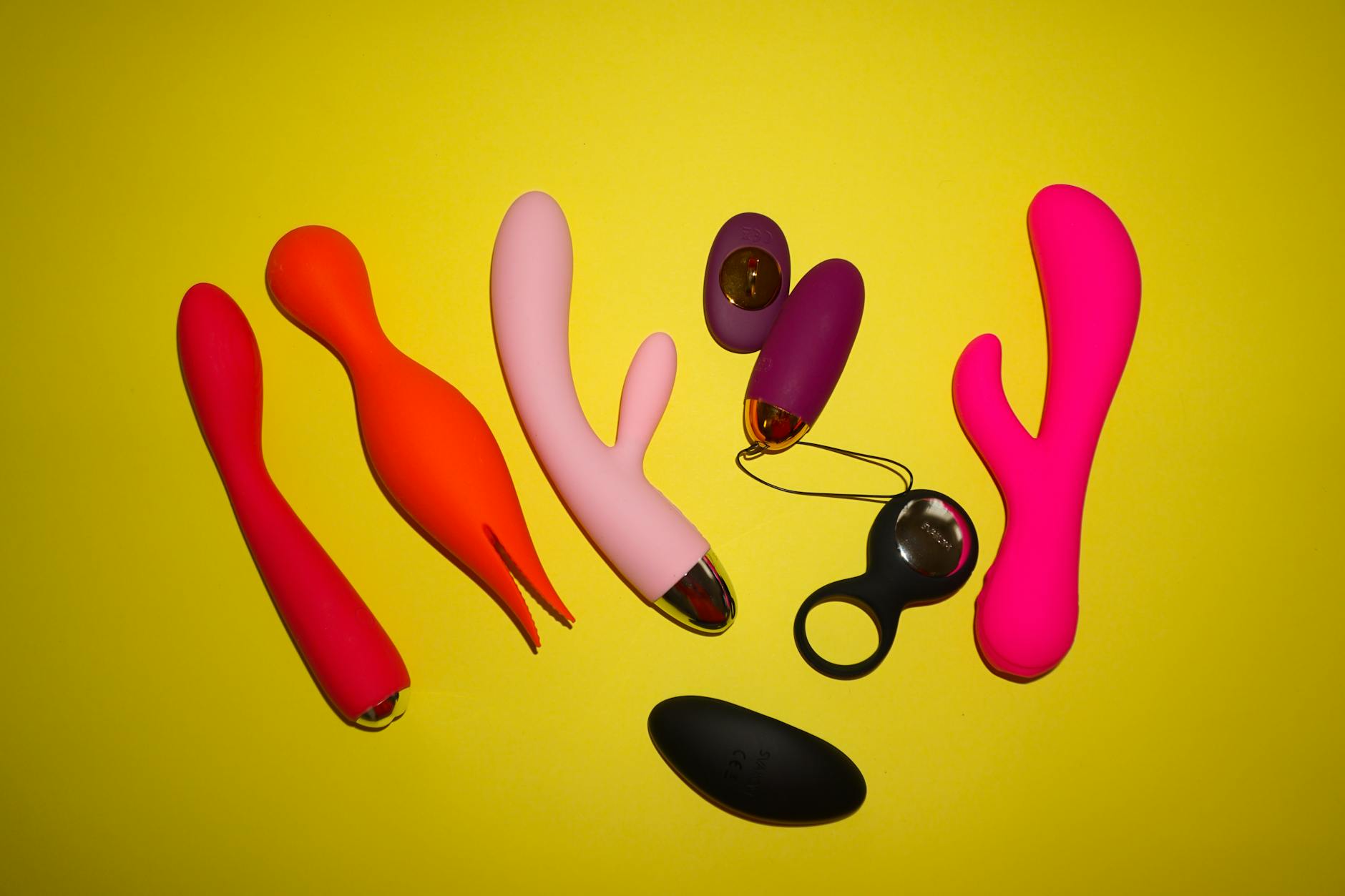
Here's what nobody tells you about pleasure consistency
You buy a lemon clitoral vibrator. It's incredible. Two weeks later, same toy, same settings, completely flat. Your brain rewires the experience as a fluke instead of what it actually is: a totally normal response to invisible environmental and biological variables.
Consistency isn't luck. It's information.
Why your lemon vibrator works brilliantly some days and barely registers
Your body isn't broken. Your toy isn't broken. But something in the system shifts, and most people never identify what.
Think of pleasure like cooking. A recipe works the same way every time only if the oven temperature is stable, ingredients are room temperature, and you're not distracted mid-process. Add chaos to any variable and the outcome changes completely. Same energy applies to your clitoral vibrator, whether it's the Lem or another brand.
Here are the actual culprits:
Hydration and blood flow. Dehydration literally thins the blood, which means less engorgement in your clitoris. Less engorgement equals less nerve sensitivity. A vibrator that felt incredible when you were well-hydrated can feel muted when you're running on coffee and stress. This is physiological, not psychological.
Arousal baseline. Some days your nervous system starts at a higher resting state of arousal. Other days it starts lower. A 10-minute foreplay session works when you're already at a 6 out of 10. It falls flat when you're starting at a 2. The vibrator's power is constant. Your starting point isn't.
Pelvic floor tension. A tight pelvic floor can actually block sensation. Ironically, tension often peaks on high-stress days, which are exactly the days people hope a lemon vibrator will help them relax. The tension is creating a circuit breaker that prevents the sensation from registering fully.
Cycle phase (if you menstruate). Estrogen fluctuations change tissue sensitivity. Your clitoris has more blood flow and nerve sensitivity mid-cycle than it does during the luteal phase. This is normal biology, not a reflection of your toy or your capacity for pleasure. For details on managing this specifically, see our guide on how to use lemon vibrators when hormonal birth control changes your sensation.
Medication side effects. Antidepressants, birth control, antihistamines, blood pressure meds. All of these have documented sexual side effects, and they fluctuate based on timing, dosage, and how long you've been taking them. The sensation loss isn't in your head. It's in your bloodstream.
Mental load. Your brain is a sex organ. When it's processing three work crises, a family argument, and whether you paid a bill, your nervous system is in sympathetic activation. Sympathetic activation is the opposite of what you need for pleasure. Your clitoral vibrator can't override a brain that's in threat response. No toy can.
The three variables you can actually control
Okay so some of these feel unchangeable. Let's focus on the ones where you have real agency.
1. Hydration as a pleasure foundation. Drink water like you're preparing for a pleasure session, because you are. Two hours before, aim for 16-20 oz. This isn't mystical. It's just making sure your blood has enough volume to pool in genital tissue. You'll notice the difference in your lemon vibrator's responsiveness within a session or two.
2. Pelvic floor awareness. Most people think "strong pelvic floor" means "always contracted." That's backward. A healthy pelvic floor needs to contract and release. If you're someone who stays tense (perfectionist energy, high anxiety, chronic pain), your release capacity atrophies. Start doing the opposite of Kegels. Lie down, place your lemon clitoral vibrator nearby, and spend 5 minutes learning what "full release" feels like in that area. Tighten for 3 seconds, then consciously relax for 5 seconds. Repeat. Do this daily for two weeks and watch your orgasm quality shift. The toy doesn't change. Your baseline does.
3. Arousal ramp-up time. Stop using your lemon vibrator as a shortcut to pleasure. Use it as a destination. If you jump straight to the Lem on setting 3, your body hasn't had time to route blood to your clitoris. Start with 10 minutes of foreplay, fantasy, or sensation play that doesn't involve a vibrator at all. Then introduce your lemon sexual toy at setting 1. Let your arousal build in stages instead of expecting instant results. This isn't less efficient. It's actually more reliable because you're working with your body's natural progression instead of against it.
The predictability factor: timing and environment
Consistency also depends on external conditions. These sound obvious but most people don't control them.
Create a pleasure hour, not a pleasure minute. Block 45 minutes minimum. Not 8 minutes between scrolling. Not during a lunch break when your phone's about to ring. When you're mentally rushed, your nervous system can't downshift into parasympathetic activation. Your clitoral vibrator won't work better if you give it more time, but your brain will be in a better state to receive sensation. Environment matters. Temperature, privacy, background noise. If you're half-listening for footsteps or a text notification, your nervous system is still partially in alert mode. Close the door. Put your phone in another room. Set the temperature so you're comfortable naked. These aren't luxuries. They're prerequisites.
Consistency in rhythm over intensity. Here's a thing I notice across clients: people assume "not working" means they need to turn the vibrator up. Sometimes that's right. Often it's wrong. A lemon vibrator on setting 5 but used erratically is less effective than setting 2 used with steady, repetitive contact. Your nervous system loves predictability. It settles into a rhythm when stimulus is consistent. Once your body syncs with the rhythm, orgasm often follows naturally. Turn up the intensity before the rhythm has a chance to build and you're just numbing yourself further.
Saturation and novelty. This is going to sound weird but it matters: using your lemon clitoral vibrator every single day can genuinely reduce sensation. Not because you're "broken." Because your nervous system adapts. It's called habituation. Take breaks. Three times a week is often more reliable than seven times a week. Let your system recover between sessions. When you return after 48 hours off, the sensation resets.
When inconsistency signals something else
If you've controlled hydration, pacing, pelvic floor tension, and environment and you're still experiencing erratic results, something else might be going on.
Stress hormones like cortisol genuinely suppress arousal. If you're in a season of sustained stress (job change, relationship strain, family illness), inconsistency is expected. It's not your toy. It's your nervous system being deployed elsewhere.
Similarly, depression and anxiety have documented effects on sensation and orgasm. If your pleasure has shifted alongside mood changes, that's worth naming and potentially working with a therapist on. A lemon vibrator can't fix depression, but it can be a small reliable pleasure when depression is making everything else feel flat. That matters. That's still valuable.
If pain has appeared where there wasn't pain before, stop and check in with a doctor. Inconsistency plus discomfort suggests tissue changes or infection, not a toy issue.
Making predictability your default
Consistency comes from understanding the variables and then controlling the ones you can. Track what shifts your results. Keep a simple note: "Lem session, hydration level, stress day or calm day, used after how much foreplay, got result or didn't." After three weeks of data, patterns emerge. You'll start to recognize the conditions that generate reliable pleasure and the ones that consistently block it.
Your lemon vibrator isn't the problem when results vary. The problem is invisible variables. Once you see them, predictability becomes achievable. Your body isn't inconsistent. You've just been operating with incomplete information.
People also ask
Why does my lemon vibrator feel different depending on the day of my cycle?
Estrogen levels change throughout your cycle, and estrogen directly affects blood flow to genital tissue and nerve sensitivity. Mid-cycle, estrogen peaks and your clitoris is typically more engorged and sensitive. During the luteal phase (after ovulation), estrogen drops and tissue sensitivity decreases. This isn't a reflection of your toy's quality or your capacity for pleasure. It's predictable biology. If you menstruate, tracking your cycle and adjusting your expectations for sensation accordingly helps. Some people find that using a lemon clitoral vibrator during the follicular phase (first half of the cycle) yields more reliable results than during the luteal phase.
Can I use my lemon vibrator too much and damage the sensation?
Yes, but not in the way you think. Overuse doesn't damage tissue. Habituation does. Your nervous system adapts to repeated stimuli and requires more intensity to register the same sensation. That's called desensitization. The solution is taking breaks. Using your lemon sexual toy three times a week often produces better results than daily use. Think of it like exercise: rest days are when adaptation happens. Your nervous system recovers and resets between sessions, which means you'll experience more intense sensation when you return.
What if my lemon vibrator works great but only when I'm already super aroused?
That's actually normal and the opposite of a problem. Your clitoris needs blood flow to be sensitive. If you're jumping straight to your lem vibrator without foreplay, there's less blood in the area and fewer nerve endings activated. Your body isn't broken. It just needs pacing. Build arousal without the vibrator first (15-20 minutes of foreplay, fantasy, or sensation play). Then introduce your lemon clitoral vibrator once you're already physically aroused. You'll notice an immediate difference in responsiveness.
Does dehydration really affect how a lemon vibrator feels?
Completely. When you're dehydrated, blood plasma volume decreases. That means less blood available to pool in erectile tissue (yes, your clitoris has erectile tissue). Less blood equals less engorgement and less nerve activation. Drink 16-20 oz of water 90 minutes to 2 hours before a pleasure session. You'll feel the difference in how quickly sensation registers and how intensely your lemon vibrator feels.
Why is my pelvic floor tension blocking sensation from my lemon vibrator?
Tension in the pelvic floor creates physical resistance to pleasure. When those muscles are chronically tight, they restrict blood flow and create a protective barrier against sensation. It's often subconscious, especially in people with anxiety or a history of tension. The fix is learning to actively release those muscles. Spend 5 minutes daily lying down and practicing pelvic floor release (tighten for 3 seconds, release for 5, repeat). Within two weeks of daily practice, you'll notice that your lemon clitoral vibrator registers more intensely because the pathway to sensation is no longer blocked by muscle tension.
Can stress really make my lemon vibrator feel less effective?
Completely. When your nervous system is in threat response (high cortisol from stress), it's designed to deprioritize pleasure and reproduction. Blood flow redirects to your muscles and brain. Your clitoris gets less blood. Your nerve endings receive less activation. Your lemon vibrator's power is the same, but your body's capacity to feel it is reduced. The solution is creating true mental space before using your toy. 10 minutes of breathing, meditation, or grounding before turning on your vibrator gives your nervous system time to downshift from sympathetic (threat) to parasympathetic (safety). Then sensation registers more reliably.
References
Kaufman, M. H., Silverberg, C., & Odette, F. (2003). The Ultimate Guide to Sex and Disability. Cleis Press.
Meston, C. M., & Frohlich, P. F. (2000). The neurobiology of sexual function. Archives of General Psychiatry, 57(11), 1012-1030.
Basson, R. (2001). Human sex-response cycles. Journal of Sex & Marital Therapy, 27(1), 33-43.
Shackelford, T. K., & Goetz, A. T. (2007). Adaptation to sperm competition in humans. Neuroscience & Biobehavioral Reviews, 31(4), 618-627.