Here's the thing about hormonal changes and pleasure
Your body isn't malfunctioning. It's just operating under new chemistry. Whether you've recently stopped birth control, entered perimenopause, dealt with a thyroid diagnosis, or shifted hormones for any other reason, the sensation you knew three months ago isn't the sensation you have now. That gap between what worked before and what works now is real, frustrating, and completely fixable.
I've worked with hundreds of people navigating this exact shift, and the pattern is always the same: they assume something's wrong with them. They assume their capacity for pleasure has shrunk. Then they discover tools like lemon vibrators, and everything recalibrates. Suddenly it's not about loss. It's about recalibration.
What hormonal shifts actually do to sensation
Let's separate myth from fact. When your hormones change, three things shift in your body:
Tissue responsiveness. Estrogen and progesterone affect blood flow to genital tissue, which changes how quickly sensation registers. Lower hormones often mean slower arousal, not no arousal. Think of it like your nervous system is running the same software but on different hardware.
Lubrication patterns. Hormone levels control mucous membrane thickness and natural lubrication. Post-birth-control or perimenopause bodies often need external lubrication to feel comfortable. This isn't a sign of broken desire. It's just physics.
Sensitivity thresholds. The intensity at which you feel pleasure might shift. What felt perfect at pattern 3 on your lemon vibrator might feel too gentle now, or conversely, too intense. Your baseline has moved.
What doesn't change: your capacity to orgasm, your clitoral nerve density, your brain's ability to experience pleasure. You haven't lost anything fundamental. You've just shifted into a different configuration.
Why lemon vibrators work when hormones change
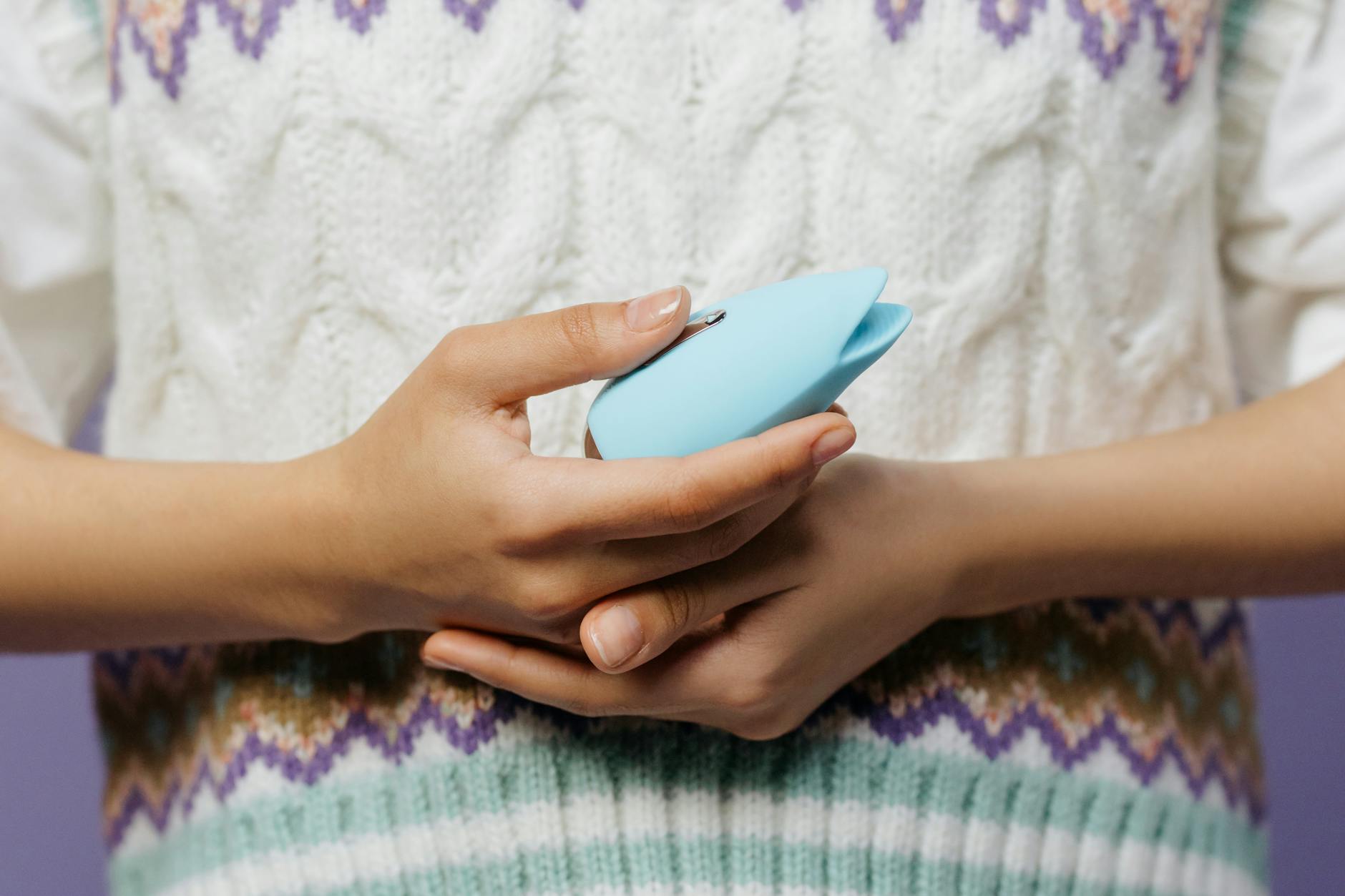
Lemon clitoral vibrators, like the Lem, use air-suction technology instead of traditional vibration. Here's why that matters when hormones have reorganized your pleasure map.
Suction creates sensation without direct pressure. When tissue is more sensitive or responsive to intensity, suction distributes stimulation across a wider area instead of concentrating it in one spot. You get strong sensation without the harshness that can come from a vibrating tip directly on your clitoris.
The stimulation pattern rebuilds baseline sensitivity. Suction creates a gentle pulse pattern that teaches your nervous system to recognize pleasure again. If hormonal shifts have muted your sensation, lemon vibrators essentially retrain your body's responsiveness through consistent, graduated stimulation.
You can adjust intensity without changing the toy. The Lem offers multiple suction levels. When you're rebuilding your pleasure baseline, this dial is everything. You can start at the gentlest setting and gradually move up as your sensitivity restores. With traditional vibrators, you're stuck with one fixed pattern. With lemon sexual toys, you control the trajectory.
Many people tell me that after a month or two of consistent use with a lemon clitoral vibrator, their natural arousal response improves too. That's not coincidence. It's your nervous system getting evidence that pleasure is still available, which gradually restores your body's default state.
Starting over after hormonal changes: a practical roadmap
If you're rebuilding pleasure after hormonal shifts, here's how to actually do it.
Week 1: Exploration without expectation. Use your lemon vibrator at the lowest suction level, solo, with no goal of orgasm. Spend 10-15 minutes just feeling where sensation registers. Does it feel different on the left side of your clitoris versus the right? Where does stimulation feel sharp versus diffuse? Map your current baseline without judging it.
Week 2-3: Graduated intensity. Once you know where you feel sensation, start at level 1 and stay there for 3-4 sessions. When that feels predictable, move to level 2. Don't rush. This isn't about getting to orgasm. It's about rebuilding your body's recognition of pleasure as it exists now, not as it used to exist.
Week 3-4: Pattern variation. Once you've settled into a comfortable intensity level, start experimenting with where on your clitoris you apply the stimulation. Angle, pressure, duration. This is the phase where you discover that sensation has reorganized, and you're learning the new map.
Ongoing: Integration. Once solo pleasure feels predictable again, you can introduce a partner (if relevant), or simply maintain a regular practice that keeps your nervous system anchored to pleasure. Most people find that 2-3 times weekly use locks in the recalibration.
The timeline isn't universal. Some people feel restored in four weeks. Others need eight. Hormonal systems are slow to shift. Your nervous system needs patience.
The partner conversation when your pleasure changes
If you have a partner, here's what tends to go wrong. The person without the hormonal shift notices sensation has changed and assumes it's about them. They feel rejected. The person with the shift feels pressure to perform at the old baseline and feels broken. Both conversations start from the wrong premise.
Here's the conversation that actually works: "My body is responding differently to stimulation right now. This isn't about desire or attraction. It's about how my nervous system is wired at the moment. I'm using a lemon clitoral vibrator to rebuild my baseline. This helps both of us."
If your partner wants to be involved, they can learn the new sensitivity map with you. Some people find that their partner using the Lem on them creates a collaborative experience, especially if foreplay feels disconnected right now. But equally valid: this is solo work for a few weeks while you rebuild your body's trust.
Lubrication, timing, and the things everyone forgets
Water-based lubricant is non-negotiable. I don't care if you've never used it before. Hormonal shifts often reduce natural lubrication, and lemon vibrators actually work better with a thin layer of lube. It helps the suction seal properly and makes the sensation feel smoother.
Timing matters too. Pleasure rebuild happens better when you're not stressed, not rushing, not performing. Some people find early morning (post-sleep, pre-coffee anxiety) works best. Others prefer evening. Find your window and protect it.
One more thing: if you're also managing other physical changes from hormonal shifts, like joint pain or fatigue, pace yourself. Solo pleasure practice shouldn't feel like another obligation. If using your lemon vibrator starts to feel like work, you've pushed too hard. Back off. Rebuild at a slower cadence.
When to talk to a doctor
Most hormonal shifts are normal transitions, and lemon vibrators handle them beautifully. But if you're also experiencing significant pain during any touch, bleeding you weren't expecting, or sensation that feels completely absent even after several weeks with appropriate tools, that's a conversation for a gynecologist or menopause specialist.
Hormone-responsive conditions like genitourinary syndrome (common after hormonal birth control stops or during perimenopause) are real and treatable. You don't need to white-knuckle through it with toys alone. Topical treatments exist. A good doctor will help.
The larger picture: recalibrating self-knowledge
When hormones shift, you're not losing yourself. You're learning a new version. Lemon clitoral vibrators are tools for that recalibration, but the real work is reconnecting with your body as it is now, not as it was. That process takes patience, curiosity, and permission to not feel exactly like yourself for a few weeks.
If pleasure felt effortless before, it might require more intentionality now. If solo pleasure felt disconnected before, it might feel more central now. Hormonal shifts reshape more than sensation. They sometimes reshape what you want and when you want it.
Your job is to stay curious instead of judgmental. Use your lemon vibrator as a mirror to understand the new landscape. And trust that on the other side of the rebuild is pleasure that's not diminished. It's just different. And different can be really good.
People also ask
How long does it take for sensation to return after stopping hormonal birth control?
Most people notice shifts in baseline sensation within 2-4 weeks of stopping birth control, but full recalibration often takes 2-3 months. Your hormonal system has been suppressed for however long you were on the medication, so it needs time to reset. Lemon vibrators speed this process because they're gently retraining your nervous system to recognize pleasure while your body recalibrates. Individual timelines vary hugely depending on how long you took birth control and your baseline sensitivity before starting it.
Can lemon vibrators help if hormonal changes have made me feel numb down there?
Yes. Numbness after hormonal shifts often comes from reduced blood flow and tissue thickness rather than actual nerve damage. Lemon clitoral vibrators create sustained stimulation that gradually increases blood flow to the area and rebuilds your tissue's responsiveness. Many people report that consistent use over 4-6 weeks noticeably improves sensation. Start at the lowest suction level and gradually increase as your sensitivity returns. If numbness persists after 8 weeks of regular use, talk to a gynecologist to rule out other factors.
Should I use a lemon vibrator every day when rebuilding pleasure after hormonal changes?
No. Every other day or 3-4 times weekly is ideal for pleasure rebuild. Daily use can desensitize your nervous system (you get diminishing returns) and can also feel like obligation rather than exploration. The goal is consistency without pressure. Pick a schedule you can maintain without it feeling like another task on your to-do list. Most people find that 15-20 minute sessions 3-4 times weekly restores baseline sensitivity faster than daily use.
What if my partner and I have mismatched arousal timing after my hormones changed?
This is common and fixable. Hormonal shifts often change arousal speed, which can create frustration if your partner's timing hasn't changed. The key is separating solo pleasure from partnered pleasure temporarily. Use your lemon vibrator solo to rebuild your baseline and restore your natural arousal response. Meanwhile, with your partner, focus on longer foreplay and don't expect synchronized timing immediately. Once your baseline restores, you can reintegrate. If you want a deeper dive on managing mismatched desire, this post on partner libido differences has practical strategies.
Is water-based or silicone lubricant better with a lemon clitoral vibrator?
Water-based is the safest choice for lemon vibrators because the device itself is silicone, and silicone-based lubes can degrade silicone toys over time. Water-based lube creates the right glide without compromising your toy. Apply a thin layer to the suction cup before use. If you find water-based lube dries out quickly during a session, reapply rather than switching to silicone lube. The investment in good water-based lubricant is worth it for longevity of your Lem.
Can hormonal changes permanently affect my ability to orgasm?
No, but the path to orgasm often shifts. Hormonal changes can temporarily make it harder to reach orgasm because arousal takes longer and sensitivity thresholds move. But the neurological capacity for orgasm doesn't go away. What changes is the route: what used to work in five minutes might now take fifteen. What used to require direct clitoral stimulation might now work better with indirect stimulation (which is why lemon vibrators help). Your orgasmic capacity is still there. You're just learning a new access route.