The thing nobody talks about
Let's be real. You want to explore lemon vibrators. Your partner either doesn't know this yet, or they do and they're not thrilled. Maybe they think a vibrator means something's wrong with them, or wrong with your sex life. Maybe they worry it means you're not satisfied. Maybe they just feel weird about it, and that's okay too.
The conversation doesn't have to be awkward, and it definitely doesn't have to go nowhere. I've worked with hundreds of couples navigating exactly this moment, and there's a clear path through it that doesn't involve pressure, shame, or a partner who feels replaced.
Here's what I know: partners who feel threatened by vibrators usually fall into one of three categories. Understanding which one yours is matters, because the approach changes.
Why partners get hesitant (and it's not what you think)
Most partners aren't actually against vibrators. They're against something they think vibrators mean.
The "performance anxiety" partner. They're worried a vibrator means they're not enough. That you need it because they can't satisfy you. This one's rooted in ego, yeah, but it's also rooted in love. They want to be the source of your pleasure.
The "loss of control" partner. They like knowing what will happen in the bedroom. A vibrator feels random or unpredictable. They worry about logistics, about how it changes the dynamic, about whether they're doing it right.
The "cultural conditioning" partner. They grew up with messages that vibrators are either shameful or don't "count" as real sex. They're not against them logically. They just feel weird about them emotionally, and that feeling is strong.
None of these is a deal-breaker. All of them shift with information, reassurance, and (usually) one conversation that actually addresses what they're afraid of instead of what they're literally saying.
The conversation that works
Don't start with "I want to buy a vibrator." Start with why, and make it about both of you.
The opening that doesn't trigger defensiveness: "I've been thinking about our sex life, and I really love it. I also think there's something we could explore together that might make things even better. Can we talk about it?"
That framing does three things. It acknowledges what's already working. It positions the vibrator as a joint exploration, not a solo thing. And it asks permission to have the conversation, which feels less like an ambush.
Wait for them to say yes. If they say "I don't know, what's this about?" that's a yes. If they say "Not right now," respect that. But most people will say yes because you've framed it as collaborative.
Then you get specific. Not with the product. With what you want.
Script for performance anxiety: "I love how you touch me. I also know that I respond really well to a particular kind of stimulation that I could do myself, or we could do together. A clitoral vibrator, like the ones from Lemon Clit Massager, gives me that sensation. I'm not looking for you to be replaced. I'm looking for you to be involved in a way that feels good for both of us."
Notice what that does. It validates them. It names what you want. It invites them in.
Script for loss of control: "I know we like knowing what to expect. This isn't about changing what we already do. It's about adding something that could work really well alongside what we're already doing. We'd figure out how together. I'm not going to surprise you with it."
Script for cultural conditioning: "I know vibrators weren't really a thing people talked about when we were growing up. I've been learning more about them, and they're actually just tools for pleasure. Not a replacement for anything. Not shameful. Just a thing some people use. I'm curious about trying one. Would you be open to just learning more about it together, no pressure?"
Each of these scripts does the same core work. It acknowledges their concern. It reframes the vibrator as a tool, not a threat. And it keeps the focus on the relationship, not on the toy.
What to do if they say no
Sometimes they say no immediately. That's different than hesitant. But hesitant usually means they're not saying no forever. They're saying "I need more information" or "I'm scared."
Offer to go slow. "What would help you feel more comfortable? Do you want to just look at one online? Do you want to read about how people use them? Do you want to know more about how it works?"
Sometimes the answer is yes once they feel less ambushed. Sometimes it's yes once they understand it's not a referendum on your relationship. Sometimes it's yes once they realize they don't have to do anything except be in the room.
That last one matters. A lot of hesitant partners are worried they have to participate. Make it clear that you could use a lemon clitoral vibrator solo while they're present, or together, or however feels right. The pressure to perform is often what triggers the hesitation in the first place.
Introducing the actual tool
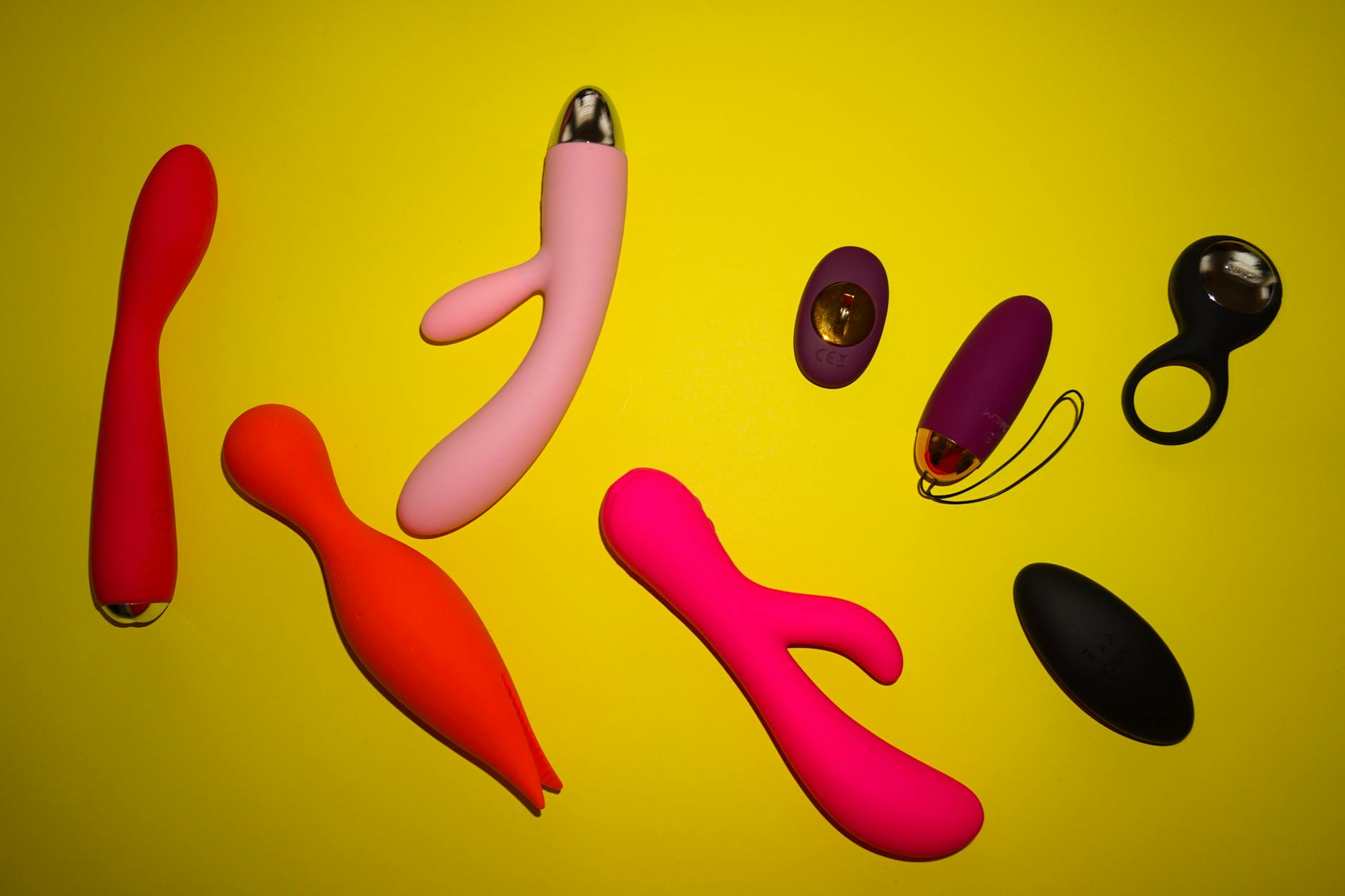
Once they've said yes to the conversation, the tool itself is usually anticlimactic. Show them pictures. Let them hold it if they want. Explain how it works. The Lemon vibrator uses suction and pulsing, not just vibration, which feels different and often less intense than people expect.
That detail matters. Partners imagine jackhammer intensity. Most people are relieved to learn it's more nuanced.
Let them ask questions. Answer them seriously. "Does it feel weird to use?" "Not weird, just different." "Will it replace me?" "No. It'll probably make me more responsive to you, actually." "What if I don't like it?" "Then we stop and try something else. Or nothing. We figure it out."
The goal isn't to convince them it's perfect. The goal is to make it normal.
Using it together (the actual part)
Here's what changes the hesitancy into curiosity: watching it work.
When your partner sees that a vibrator makes you feel something, or helps you relax, or makes sex more pleasurable, the threat dissolves. Especially if they're involved. Maybe they hold the toy. Maybe they control the pattern. Maybe they just watch and participate in everything else.
The involvement is the key. You're not disappearing into a corner with a toy. You're here together, doing this together, and the toy is just part of what's happening.
Some partners get curious and want to try their own. Some stay in the spectator role and that's fine. Some help you figure out which patterns feel best. You'll learn about your partner in this moment too, because their comfort level will tell you something about how they want to feel needed.
When hesitation turns into resistance
Sometimes hesitation isn't just hesitation. It's a boundary, and that's worth taking seriously.
If your partner has said a clear no, and you're considering using a lemon vibrator without their knowledge or against their stated preference, that's a betrayal. Full stop. That's not about the toy. That's about consent, and it matters more than the vibrator.
In that case, you have a deeper conversation to have. About why they're drawing this line. About what that means for your relationship. You might need a couples therapist, or you might realize this is a fundamental mismatch in how you approach pleasure and partnership.
But most hesitancy isn't that. Most hesitancy is just fear dressed up as resistance. And fear usually softens with information, reassurance, and time.
The after part
Once you've introduced lemon sexual toys to your partner and they've moved from hesitant to curious to involved, something often shifts. They realize vibrators aren't a threat to their role. They're a tool that makes you feel better. And a partner who feels better in bed is usually a partner who feels closer overall.
You also learn something about your partner. Whether they're someone who can sit with discomfort for the sake of your pleasure. Whether they can let go of ego enough to be collaborative. Whether they're curious or defensive when things change.
All of that information is valuable. And it usually goes both ways. Maybe you discover your partner has been curious about something too. Maybe introducing vulnerability and conversation into this one area opens doors elsewhere.
The lemon clitoral vibrator isn't just about sensation. It's about permission. Permission to want something different. Permission to ask for it. Permission to explore together instead of hiding.
That's the part that changes things.
Frequently asked questions
What if my partner thinks vibrators are only for people who are unsatisfied in their relationship?
That belief usually comes from media that positions vibrators as substitutes instead of tools. You can reframe it by asking: "Do you think couples who use condoms are unsatisfied?" It's not a perfect analogy, but it helps people realize that using a tool isn't the same as being dissatisfied. Some of the couples with the most active, connected sex lives use vibrators. Some don't. It's just a preference, not a referendum on the relationship.
Should I hide a vibrator from my partner if they've said no?
No. That's betrayal. If your partner has said no and you want to explore anyway, that's a conversation about what you both need from the relationship. Maybe it's a hard boundary for them. Maybe they need more time. Maybe it's something you need and they can't provide, and that matters. But hiding it is a shortcut that damages trust.
How do I know if my partner's hesitation is temporary or a real dealbreaker for them?
Ask directly. "Is this a hard no, or are you just nervous right now?" Listen to their answer. If it's nerves, they might shift with time and information. If it's a hard no, that's different. Honor it, and then decide if you can live with that boundary or if it's something you need to explore more deeply in therapy.
What if my partner agrees but seems uncomfortable during sex?
Stop and check in. "How are you feeling?" Don't push past discomfort in the moment. You can always come back to it. Sometimes partners need multiple exposures before something feels normal. Sometimes they discover it's not for them, and that's okay too. The goal is pleasure, not persuasion.
Can lemon vibrators help if my partner feels insecure about their ability to satisfy me?
Yes, actually. When your partner sees that a vibrator makes you feel good and then participates in that experience, it often reframes their role from "source of pleasure" to "partner in pleasure." That shift is huge for insecurity. You're not being satisfied by the toy instead of them. You're being satisfied with them, in a new way.
How do I bring up that I want to use a vibrator if we've never talked about sex toys before?
Start small. "I read something interesting about clitoral vibrators today." Gauge their reaction. If they shut down, that's information. If they're curious, keep going. You don't have to have the whole conversation at once. Sometimes it happens in pieces, over days or weeks. Let it breathe.
The conversation matters more than the toy
Honestly, the vibrator is almost secondary. What actually changes things is that you're willing to have a vulnerable conversation about what you want. That you're asking your partner to meet you there. That you're both willing to explore something new together.
That's not about the toy. That's about intimacy. And that's what your partner is really afraid of, sometimes. Not the vibrator. The conversation. The vulnerability. The risk that comes with admitting desire.
Once you're both on the other side of that conversation, the lemon vibrator is just a thing you use. The real shift has already happened.
If you're ready to have this conversation with your partner and you want support, I'm here to help. Reach out at /contact and we can talk about what you're navigating.