Let's start here: you're not alone
About 10-15% of people with vulvas have never experienced an orgasm, even though they may have been sexually active for years. This isn't a flaw. It's not a missing gene. It's often just that nobody has shown you the right combination of conditions, tools, and permission to explore.
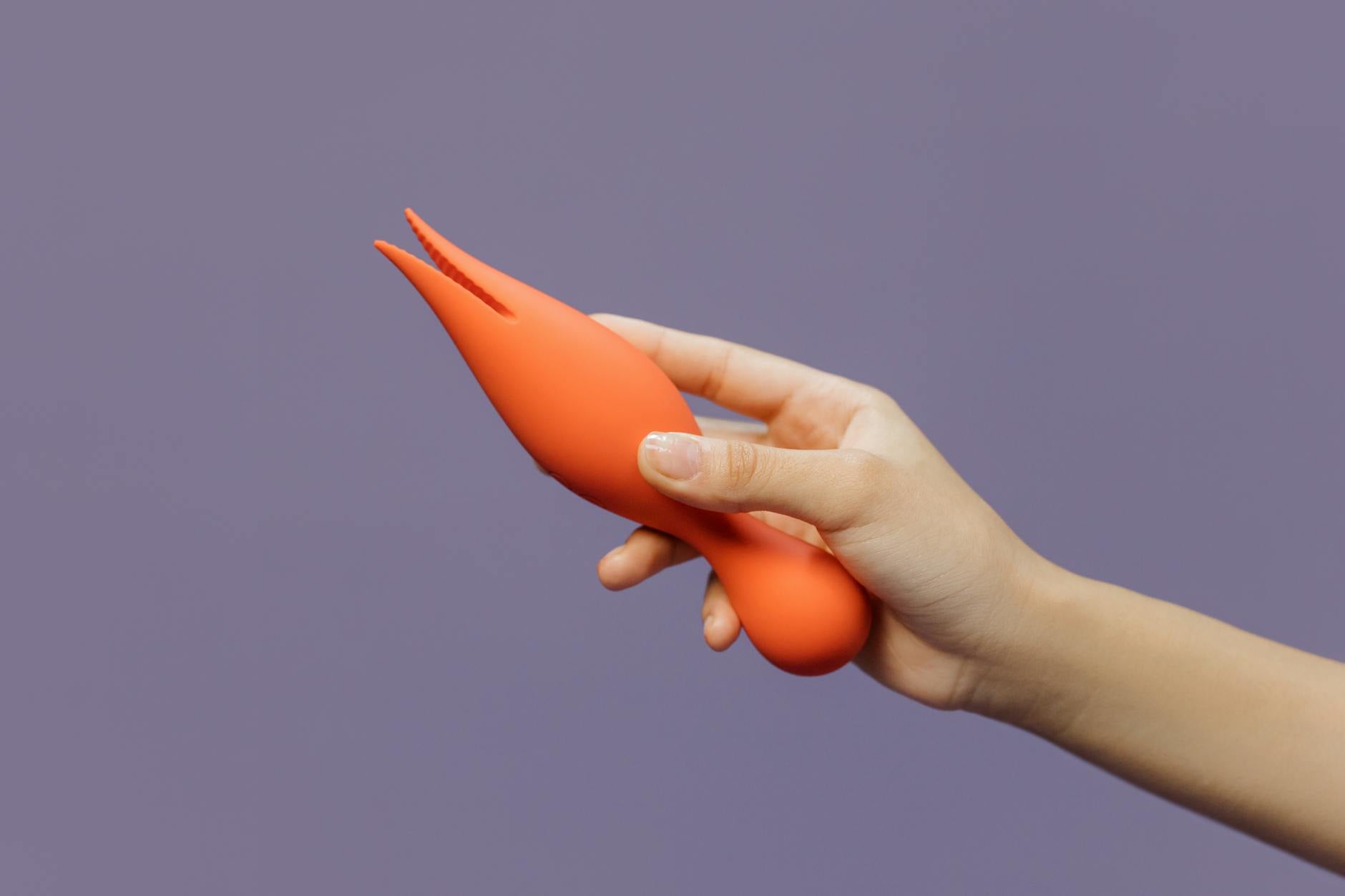
If that's you, a lemon clitoral vibrator can be the missing piece. Not because it's magic, but because it does something traditional vibrators can't: it removes friction and pressure simultaneously while delivering consistent, targeted stimulation to the exact nerve clusters that actually drive orgasm.
Why lemon vibrators are different for first-timers
Most vibrators buzz. They vibrate against your body with varying intensity, and if your clitoris is sensitive or hasn't been stimulated much, that can feel overwhelming or uncomfortable. It's like someone tapping your arm really fast. Eventually you might not feel it, or it might feel like static.
Lemon clitoral vibrators work differently. They use suction and gentle pulsing instead of direct vibration. This means the stimulation is gentler on sensitive tissue, more forgiving if you're tensing up from anxiety, and honestly just easier to enjoy when you're starting from zero.
Here's the science part: the clitoris has 8,000+ nerve endings, but they're not evenly distributed. Air-suction stimulation activates a wider area of those nerves at once without the jarring sensation of traditional buzz. For someone who's never felt consistent pleasure, that difference is massive.
The biggest mistake first-timers make (and how to avoid it)
You're going to want to skip the warm-up. Don't.
When you're trying to orgasm for the first time, there's this urgency that builds. You've done research. You've bought the tool. You want results. So you put the lemon vibrator on medium intensity, point it at your clitoris, and wait for something to happen.
What actually happens is not much, because your body isn't ready. Arousal isn't binary. It's a slow climb. Your clitoris swells as blood flow increases. Your vulva becomes more sensitive. Your pelvic floor loosens. None of that happens in 30 seconds.
Budget 15-25 minutes. Spend the first 10 just touching yourself without any toy. Explore what feels good. Notice where you like pressure, rhythm, and lightness. This isn't frivolous. This is research. Your body is telling you what it wants; you're just learning to listen.
Then introduce the lemon vibrator. Start on the lowest setting. Many first-timers don't need intensity; they need time and consistency.
Setting yourself up to actually succeed
Four things change the game.
Privacy and time. You cannot orgasm if you're half-listening for footsteps or checking the clock. Block 30 minutes minimum where you're not going to be interrupted. Close the door. Put your phone face-down. Tell your brain that this time is for you, and nothing else matters.
Temperature. Take a warm shower or bath first. Warm water relaxes your pelvic floor, increases blood flow to your genitals, and honestly just makes the experience feel less clinical. You're not trying to achieve a goal. You're exploring pleasure.
Lubrication. Use it even if you think you don't need it. A water-based lube like coconut oil or a proper toy lube reduces friction and makes the sensation feel less intense, which ironically helps your body relax into pleasure instead of tensing against discomfort. Start with just a small amount.
Zero pressure. This is the hard one. You're not trying to orgasm. You're noticing what feels good. If nothing happens today, that's data, not failure. Your nervous system is learning. Every time you explore, you're building the neural pathways that eventually lead to orgasm. Some people get there in three sessions. Some take longer. Both are fine.
How to actually use the lemon vibrator for first-time exploration
Start with the lemon vibrator on the lowest setting. Hold it near your clitoris, not directly on it.
The pattern matters more than intensity. Try moving it in slow circles, light figure-eights, or gentle up-and-down motions. You're not searching for the magic button. You're exploring texture and rhythm.
Notice what your body responds to. Does it feel better when you move the vibrator or when you stay still? Faster rhythm or slower? Gentler or firmer pressure? This feedback is gold. You're learning your own pleasure map.
Many first-timers feel something building around the 10-15 minute mark. It might feel like pressure, warmth, or a subtle tightening sensation in your pelvic floor. That's arousal happening. Let it build. Don't chase it. Just stay present with the sensation and keep the rhythm consistent.
If your body tenses up, pause for a few seconds. Breath in slowly through your nose and out through your mouth. Tension blocks pleasure. The goal is to stay relaxed and curious, not rigid and goal-focused.
When you feel like something's happening
A lot of first-timers describe that moment as confusion. You're not sure if what you're feeling is an orgasm or just arousal. Both are valid. Neither is wrong.
If you feel pressure or tingling building and you're not sure what it means, keep going. Consistency is more important than chasing sensation. Let the rhythm stay steady. The body knows what to do if you get out of its way.
An orgasm can feel like a sudden release, a wave of pleasure, involuntary muscle contractions, or honestly just a sense of relief and relaxation. It doesn't have to be Hollywood-level dramatic. Your first orgasm might be subtle. That doesn't make it less real.
After you finish, take a moment to just exist with whatever you're feeling. Cuddle yourself. Get some water. Notice what changed in your body. This is part of the learning process too.
Building confidence for round two
Once you've found sensations that feel good, don't assume you have to find the exact same thing next time. Your body will respond differently depending on your stress level, where you are in your cycle, whether you ate, and a hundred other variables.
Instead of replicating the exact technique, remember the type of sensation that worked. Was it a slow rhythm? Gentle pressure? A specific pattern? Start there, then let your body guide you to what works this time.
Consider journaling after each session. Not for anyone else. For you. Note what felt good, what didn't, how long you explored, your stress level, whether you had an orgasm, or if you just felt arousal building. This data helps your brain understand your own pleasure faster.
If nothing happens after five or six sessions, that's fine. Some people need longer to get there, and that's not a sign anything is wrong. You're still building sensitivity and neural pathways. The goal posts aren't fixed.
If pain appears, stop immediately. Explore lemon vibrators gently, with plenty of lubrication, and if discomfort continues, check in with a pelvic health specialist or gynecologist. Pain means something needs adjustment, and it's worth investigating.
The bigger picture
Learning to orgasm for the first time is not about the toy. It's about permission, time, and a nervous system that's allowed to relax into pleasure instead of staying braced against shame or expectation.
A lemon clitoral vibrator is a tool that makes that process easier. It gives your body consistent, forgiving stimulation. It removes the pressure of performance. It lets you explore at your own pace without judgment.
You deserve pleasure. Not someday. Now. And if you've been waiting for the right combination of tools, time, and information to start exploring, this is your permission. Go slow. Stay curious. Trust your body. The orgasm will follow.
People also ask
Can I use a lemon vibrator if I have a sensitive clitoris?
Yes. In fact, lemon clitoral vibrators are often better for sensitive tissue than traditional vibrators because suction-based stimulation is gentler and more forgiving than direct vibration. Start on the lowest setting and use plenty of lubrication. You control the intensity and rhythm, so you can adjust anytime something feels too intense.
How long does it usually take to have a first orgasm with a lemon vibrator?
There's no standard timeline. Some people experience an orgasm in their first or second session. Others take weeks. Both are completely normal. What matters is that you're exploring pleasure without pressure. The goal is learning your body, not hitting a deadline.
Do I need lubrication with a lemon vibrator?
Yes. Water-based lubrication reduces friction and makes the sensation feel less intense, which helps your nervous system relax rather than brace against discomfort. It also protects sensitive tissue, especially if you're exploring for the first time.
What if I never feel arousal building?
Take a break from trying and focus on exploration without a goal. Sometimes the pressure of "I need to orgasm" blocks the very thing you're after. Spend a few sessions just touching yourself without the lemon vibrator, noticing what feels good and building comfort with your own body. Then come back to the vibrator.
Is it normal to feel anxious during exploration?
Completely normal. Anxiety is a nervous system state, and it directly blocks pleasure. If you feel anxious, pause and ground yourself. Take three deep breaths. Remind yourself that there's no timeline and nothing to achieve. Some sessions will feel easier than others. That's how learning works.
Can a partner use a lemon vibrator on me if I'm exploring for the first time?
Yes, but start solo. Learning your own body without outside pressure is often easier and more informative. Once you know what feels good to you, sharing that with a partner becomes about pleasure rather than performance. If you do explore with a partner, communicate constantly and remember that you're in control. Your partner is there to support your exploration, not drive it.