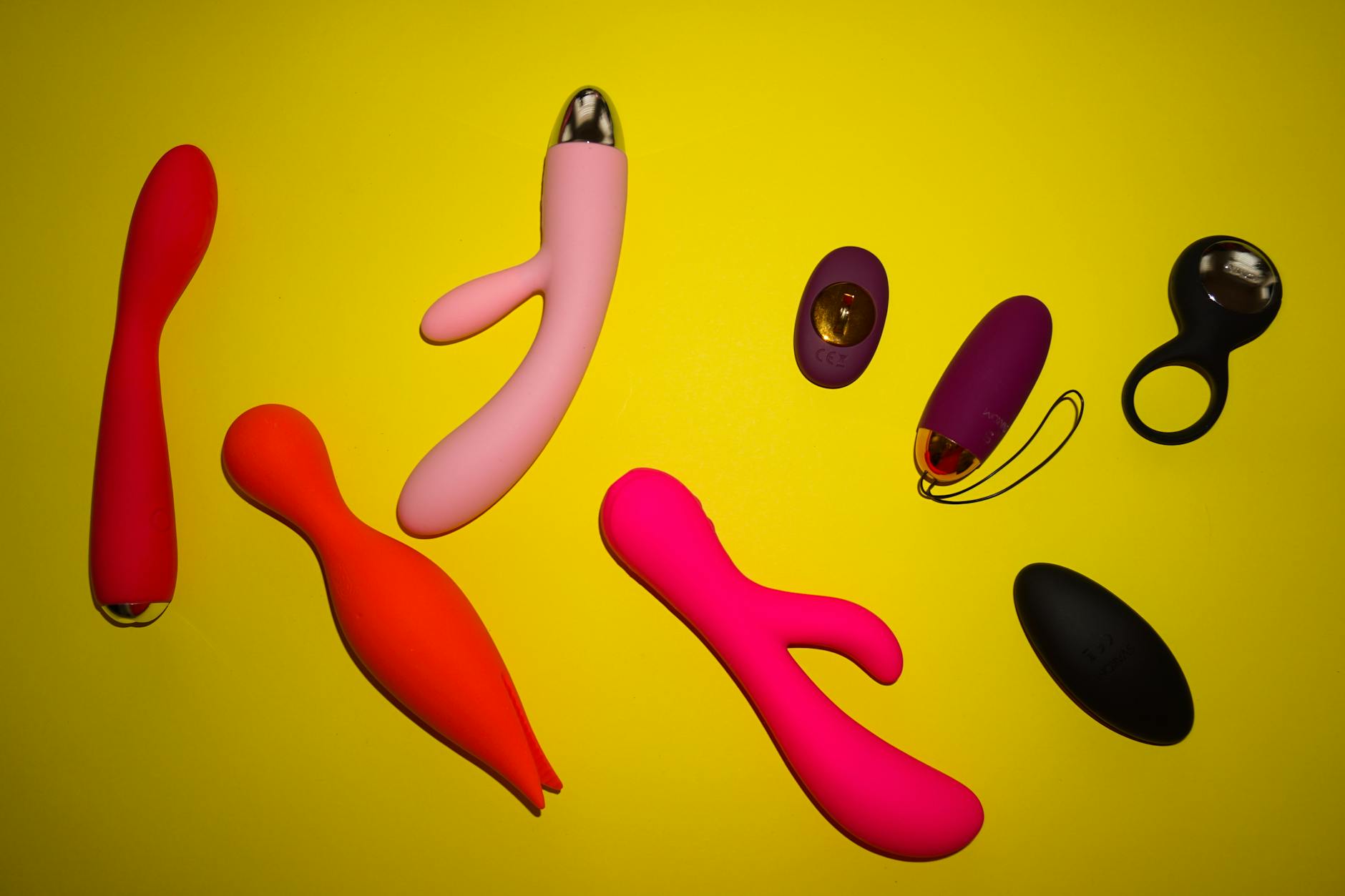
How to Use Lemon Vibrators With Your Partner for Couples Pleasure
The conversation nobody wants to have
Honestly, the hard part isn't using a lemon vibrator with your partner. It's the 10 minutes before, when you're both sitting there wondering if introducing a toy means something's wrong, or if one of you secretly feels inadequate, or if this is going to kill the mood instead of amplifying it.
I've worked with hundreds of couples, and I can tell you: that conversation is worth having. Not because toys fix broken intimacy (they don't), but because toys unlock a different kind of intimacy. They give both partners explicit permission to focus on sensation, pleasure, and what actually works instead of performing a script.
Lemon vibrators, specifically, change that dynamic more than traditional vibrators do. The suction mechanism means less grinding, less numbing, less of that persistent vibration fatigue that kills sensation over time. For partnered sex, that's a game-changer.
Why lemon clitoral vibrators work differently during couples' sex
Let's talk mechanics first, because understanding the how makes the conversation way easier.
Traditional vibrators work through constant oscillation. High frequency, direct pressure, usually numbing after 10-15 minutes. When a partner is also moving, touching, or shifting position, that combined stimulation can feel chaotic or overwhelming. You end up pausing to let sensation reset. The toy becomes a distraction rather than an enhancement.
Lemon suction toys work through rhythmic pulsing and gentle pressure waves. The sensation is more localized to nerve endings without the same fatigue factor. That means during partnered sex, when your partner is inside you or moving around you, the lemon vibrator adds consistent pleasure without competing for your brain's attention. You can focus on your partner's movement, eye contact, temperature, rhythm. The toy works with what's happening, not against it.
Many of my clients tell me their first partnered orgasm with a lemon toy felt more connected, not less, because they weren't mentally managing two competing sensations.
The communication framework that actually works
Here's what doesn't work: ambushing your partner with a toy mid-sex, or texting a link with zero context, or framing it as "we should spice things up" (which reads as an accusation that things are boring).
Here's what does:
Frame it as exploration, not criticism. "I read that a lot of couples use clitoral vibrators during sex and it changes the sensation. I'm curious if that's something you'd want to try together." Notice the shift: it's not "I need this" or "you're not enough." It's us experimenting.
Normalize it by context. Mention that you saw it recommended for partners wanting to extend pleasure, or deepen sensation, or just trying something new. The fact that it has a name (the Lem, for instance) and comes from a real brand makes it less taboo somehow.
Ask for their fantasy too. Turn it around: "Is there anything you've been curious about but unsure how to bring up?" Make space for them to name something they want. Suddenly it's not about you wanting a toy. It's about both of you wanting more.
Give them an out. "We don't have to use it right away. Just wanted to see if you were interested." Pressure kills arousal. Always.
When to introduce it and how to ease in
Timing matters more than you'd think.
Don't bring it up when things are already tense, or when you're both stressed about work, or in the middle of a sex drought where you haven't been intimate in weeks. That context makes it feel like a Hail Mary pass, not a fun addition.
Bring it up during a moment of genuine connection. After good sex. During a lazy morning conversation about what you both like. Over dinner when you're already talking openly about desire.
Once they're on board, your first time should be low-pressure:
Session one: Solo demonstration. Not during sex yet. Just you showing them how it works, what the settings feel like (maybe on their arm or hand), no stakes. Familiarity kills anxiety.
Session two: You use it solo while they watch. Let them see your pleasure. See your face, hear your breathing, watch what happens when you adjust the intensity. This is where many partners realize the toy isn't replacing them. It's amplifying you. That's the shift.
Session three: Integration. Now try it together. Maybe you're on top and they hold it, or you hold it while you're facing each other, or they use it during penetration from behind. The position matters less than the fact that you're both controlling something together.
Technique: how to actually use it during partnered sex
The angle is everything.
If you're receiving penetration and want to use a lemon vibrator simultaneously, the most effective position is usually you on top or you facing each other. That way the toy stays in place without competing for space or slipping. You or your partner controls the intensity and rhythm while they control theirs. It's not complicated. It just requires a 10-second adjustment.
My clients report that around pattern 2 or 3 (out of most lemon vibrators' 5-7 patterns) works best during partnered sex. Full intensity can be overwhelming when there's already internal stimulation happening. You want the toy to enhance, not dominate.
If your partner is using the toy on you, the hottest way is usually when they can see your face. The clitoral vibrator becomes an instrument they're playing, and you become an active participant in sensation rather than a passive receiver. That feedback loop (you responding, them adjusting, you deepening) is where the real pleasure lives.
Managing emotion and aftercare
Here's the part therapists rarely talk about: introducing a toy sometimes surfaces feelings.
Maybe it brings up a moment of vulnerability for one partner. Maybe it makes someone feel seen in a new way. Maybe it highlights a communication gap you've both been sidestepping. That's not a problem. That's information.
After your first few times using a lemon vibrator together, check in. Not in a clinical way. Just: "How did that feel? Would you want to do that again? Anything you want to adjust?" Listen more than you talk. If something felt weird or off, don't dismiss it. That's gold for understanding what each of you actually needs.
Some couples find that using toys together creates a specific kind of intimacy they didn't have before. The toy becomes a shorthand for "we're exploring together." Others find it's occasionally exciting but not their primary thing. Both are fine. The goal isn't to become a sex toy couple. The goal is to have more options, less shame, and deeper conversation about what you both want.
Why lemon sexual toys change the dynamic
Lemon adult toys feel less clinical than traditional vibrators, partly because the suction mechanism is newer and less familiar, which means less baggage. Nobody's ex used a lemon clitoral vibrator in 2008 and ruined it for you. They come with zero generational context.
They also feel more intentional. If you're buying a lemon vibrator, you're making a choice about how you want pleasure to feel. You're not just grabbing the cheapest option or the one that's been sitting in a drawer since college. That intentionality shows up in the experience.
For couples specifically, using a lem vibrator together signals that you're both willing to be vulnerable about desire. That you're not just going through motions. That you want more for each other. That sex is a collaborative project, not a performance.
FAQ: Couples and Lemon Vibrators
What if my partner feels insecure about using a toy during sex?
Listen without defensiveness. "I want this because I love your body and I want to feel more pleasure with you" is very different from "I want this because you're not enough." If they're worried they can't "do what a toy does," remind them: the toy can't kiss you, can't move with you, can't make you feel desired. The toy is an addition to your hand, your mouth, your presence. It's not a replacement.
Can we use a lemon vibrator during foreplay, or does it only work during penetration?
Absolutely during foreplay. Some couples find that foreplay is actually the best time because there's less competing stimulation and more time to explore sensation together. You can use it while kissing, while your partner touches you elsewhere, while you're on the edge before anything else happens. Honestly, starting with foreplay often feels less intense and more playful.
How often should we use it?
There's no rule. Some couples use toys every time. Others reach for one occasionally. The best cadence is whatever feels authentic to you. If you're using it because you think you should, it'll feel obligatory. If you're using it because one or both of you genuinely want that sensation, it'll feel good. Listen to that difference.
What if we try it and one of us hates it?
Stop and talk. "That wasn't my thing" is valid feedback. No toy is for everyone, and that's fine. Try a different approach (maybe a partner holds it instead of you operating it), or try a different setting, or just put it away for a few months and revisit later. Your pleasure is collaborative. If one person isn't into it, forcing it creates resentment.
Is it normal to have a stronger orgasm with a toy present?
Completely normal. The combination of your partner's touch plus a lemon clitoral vibrator plus the brain awareness that you're both focused on your pleasure often creates a more intense release. That's not a sign you need the toy forever. It's just information about your body. Some people want that intensity regularly. Others like it occasionally. Neither is more "right."
How do I know my partner actually wants this versus saying yes to make me happy?
Ask directly and separately. Not during sex. "I want to make sure you actually want to try this, not just that you're going along with it. Be honest." If they're hesitating, slow down. Pressure kills desire. You'd rather know they're uncertain now than have them resent the toy later.
The deeper truth
Introducing a lemon vibrator to your partnership isn't really about the toy. It's about creating a conversation where both of you can name what you want without shame. It's about discovering that pleasure is collaborative, that sensation can deepen, that vulnerability with a partner is its own kind of intimacy.
Some couples find that one conversation changes everything. Others find it's just another tool in the drawer. Either way, the fact that you can talk about it means you're already ahead.
If you're ready to explore, start with an honest conversation about what you both want. The toy is secondary. The curiosity is what matters.