Here's the thing about menopause and pleasure
Everything you've been told about menopause and sensation is either doom-and-gloom or aggressively upbeat. The truth is messier and honestly more interesting. Your body changes. Your options change with it. And for a lot of people, that shift unlocks something genuinely better.
One of those options is lemon vibrators. If you've never heard of them, you're about to understand why they matter for post-menopausal pleasure in ways that traditional vibrators often don't.
What actually happens to tissue after menopause
Estrogen drops. Full stop. This isn't metaphorical. It changes the thickness, elasticity, and moisture of vaginal and vulval tissue. The outermost layers thin out. Blood flow shifts. The tissue becomes more sensitive to direct, repetitive friction in ways it wasn't before.
That's not a failure of your body. It's just information. And it means that the kind of stimulation that worked beautifully at 35 might feel uncomfortable, overstimulated, or even painful at 55.
Most traditional vibrators rely on either rapid vibration or direct pressure to stimulate nerve endings. Both approaches work fine on thicker, more elastic tissue. Both become problematic when that tissue changes. You end up turning down the intensity, adding more lubricant, or sometimes just giving up.
Then there's the lemon vibrator approach.
Why suction-based stimulation feels different
Lemon clitoral vibrators work through gentle suction and pulsation rather than vibration alone. The sensation is completely different from a traditional vibrator. It's softer, broader, and doesn't rely on the same kind of mechanical friction.
Think about it this way. A traditional vibrator is like tapping on a window. A lemon vibrator is like someone gently pressing a soft cloth against your skin and releasing it in rhythm.
For post-menopausal bodies, this matters enormously. You're not running friction-heavy stimulation across tissue that's now more sensitive to it. Instead, you're creating a gentle pressure gradient that draws blood into the area and stimulates a wider network of nerve endings. It's more of a full-sensation experience and less about one specific intense point.
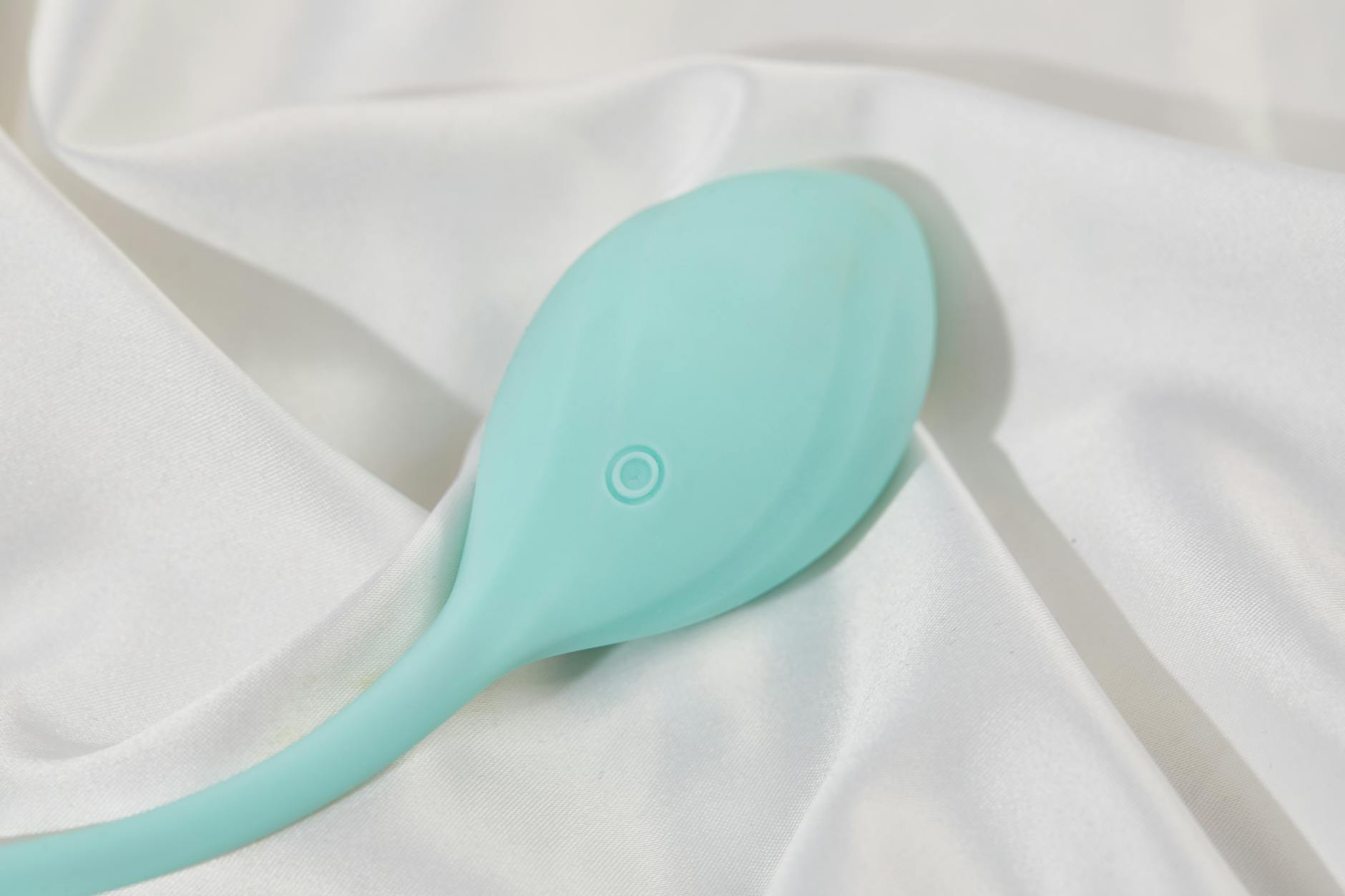
Photo by IFONNX Toys on Pexels
The comfort advantage you might not expect
One of the biggest differences people notice after switching to lemon sexual toys is comfort during and after. Traditional vibrators can leave you feeling slightly sore or overstimulated even if the experience felt good in the moment. That soreness is real. It's that tissue sensitivity responding to prolonged friction.
With a lemon sucker or lemon clitoral vibrator, because there's no harsh friction component, that post-use soreness often disappears. You can use the device longer, enjoy more complex sensations, and actually feel better afterward. Your tissues aren't irritated. They're engaged and responsive without the wear.
That means you can explore pleasure in ways you might have held back from before. Longer sessions. Subtle pattern variations. Layered sensations. The pleasure itself can deepen because you're not managing discomfort at the same time.
Speed and intensity work differently too
Most lemon vibrators operate with multiple intensity levels and preset patterns. The lowest settings are genuinely gentle, often gentler than traditional vibrators can go because the mechanism itself is softer.
That matters. If you're dealing with increased tissue sensitivity, you want options that go down, not just up. A lemon clitoral vibrator typically gives you that. You can start at the lowest possible stimulation and increase only as much as you actually want.
Another thing that changes is how intensity translates to sensation. With suction-based stimulation, a medium intensity setting often feels more powerful than it actually is because it's distributing pressure more broadly. You might find you need less intensity overall because the sensation is more concentrated in the right way, not more intensity spread across sensitive tissue.
This changes the pleasure baseline
Here's what I've observed with clients who've switched to lemon vibrators after menopause. The first two sessions are often about surprise. "Oh, this is completely different." By the third or fourth session, it shifts. People start discovering what they actually want, not what they thought they should want.
Menopause strips away some of the pressure that was there before. You're past fertility windows. Partner expectations often soften. And suddenly your body's changing needs become a permission slip to explore instead of a limitation to manage.
A good lemon adult toy meets you there. It's not asking your body to perform like it did. It's designed for what your body actually is now.
The partner conversation, if you're in one
If you use this with a partner, one thing shifts. You're not solving a problem together. You're introducing a new tool that might actually improve things. That's different energy.
Many partners feel relieved when menopause-related changes come up, because there's often been this unspoken worry that sex is going to get worse. When you introduce something like a lemon vibrator that actually works better for your body now, it reframes the whole thing. It's not about managing decline. It's about discovering what you actually like.
For more on navigating this together, the post on using lemon vibrators with a partner covers this in depth.
How to actually try this if you're hesitant
Start low. Seriously low. The gentlest setting on a lemon clitoral vibrator is your entry point, not a placeholder. You might be surprised how much sensation you can access without turning it up.
Use lube. Even though suction-based toys don't require it the way friction-based ones do, water-based lubricant helps create a better seal and makes the sensation more comfortable. It's not a sign something's wrong.
Give it time. Three to five sessions before you decide whether it works for you. The first time can feel weird because it's new. By session three, your nervous system has usually adapted and you actually know if this is your thing.
If you're not sure where to start, understanding the basics of how different lemon clitoral vibrators work can help you figure out which version might suit you.
Why sensitivity doesn't mean you're broken
This is important. If your tissue is more sensitive after menopause, that's not dysfunction. It's not a decline. It's a change, and it has real advantages if you're using the right approach.
More sensitive tissue often means more nerve responsiveness in the right conditions. People often report more intense, more frequent, and sometimes different kinds of orgasms post-menopause, especially when they're using stimulation methods that work with their body rather than against it.
Lemon sexual toys and lemon vibrators are designed specifically for that. They're not a workaround for sensitivity. They're actually designed to take advantage of it.
When to talk to someone
If you're experiencing pain during any kind of sexual activity, or if sensation has become completely flat despite trying different approaches, it's worth checking in with a menopause-trained gynaecologist or sex therapist. Sometimes hormonal therapy makes a real difference. Sometimes it's something else entirely. Either way, you deserve information.
But most tissue sensitivity after menopause responds really well to the right approach. And increasingly, people are finding that approach in tools designed specifically for this stage of life.
The short version
Menopause changes your body. It also changes what actually feels good. Lemon vibrators and lemon clitoral massagers work with those changes, not against them. They're softer, broader in their stimulation, and designed for tissue that's more sensitive and less friction-tolerant than it was before. For a lot of people, that's not a compromise. It's an upgrade.
People also ask
Are lemon vibrators safe to use after menopause?
Completely safe. In fact, they're often safer than traditional vibrators post-menopause because they avoid the friction-based stimulation that can irritate thinner tissue. Use a water-based lubricant, start at low intensity, and clean the device with warm water and mild soap after each use. If you have any open sores or active infections, wait until those clear.
Do lemon suction vibrators work if you have vaginal dryness?
Yes, and actually really well. The suction mechanism doesn't rely on moisture the way friction-based stimulation does. That said, water-based lubricant makes the sensation more comfortable and creates a better seal. Dryness isn't a reason to avoid them. If dryness is severe, a menopause specialist can sometimes recommend topical estrogen, which changes the tissue composition and often improves moisture alongside other improvements.
How long does it take to feel results with a lemon clitoral vibrator?
Most people notice a difference within the first session or two. The sensation itself feels different immediately. Whether it translates to orgasm, and how quickly, depends on a lot of factors including arousal level, stress, and whether it's your first time using this type of device. By session three to five, you should have a clear sense of whether this tool works for your body.
Can you use lemon vibrators with hormonal therapy?
Yes. In fact, many people use lemon sexual toys while they're trying hormonal treatments to see if tissue changes improve sensation. They work independently. If you're on hormone therapy, your tissue will likely continue to shift over several months, so your preferences might change. That's normal. Revisit intensity and patterns as your body adapts.
Is it normal for pleasure to feel different after menopause?
Completely normal. Tissue changes, hormone shifts, and sometimes relationship dynamics all shift at the same time. Some sensations disappear. Others become more intense or take on a different quality. This isn't a loss. It's a recalibration. Many people experience the deepest, most satisfying pleasure of their lives post-menopause, especially when they're using methods designed for their body as it actually is.
What's the difference between a lemon vibrator and regular vibrators for post-menopausal bodies?
Traditional vibrators rely primarily on rapid vibration and direct pressure. Lemon vibrators use suction and pulsation, creating a gentler, broader stimulus that doesn't require the same friction intensity. For tissue that's more sensitive after menopause, this difference is significant. Less friction, more comfort, and often more satisfying sensation. Most people switching from traditional vibrators to lemon clitoral vibrators notice the difference immediately.