Let's name what actually happened
Intimacy doesn't vanish overnight. It erodes. A child arrives, or a parent needs care, or work swallows six months whole. A health crisis reshapes the body. A betrayal needs processing. A grief takes up all the emotional real estate. Suddenly the thing that once felt automatic, easy, connecting—sex, touch, pleasure—becomes another item that didn't get done today. And then it didn't get done for a month. Then a year.
I work with couples in this gap all the time. The panic is real. One partner thinks the other has stopped being attracted to them. The other is so depleted they can't imagine having anything left to give. Nobody's wrong, and everybody's stuck.
Here's what I've learned: desire doesn't need permission to come back. It needs a low-stakes invitation. That's where lemon vibrators come in.
Why lemon clitoral vibrators are different for this work
Most of the sex toys on the market are built around one thing: novelty. Stronger sensation, new shape, more patterns. For couples trying to rebuild intimacy after a rupture, novelty isn't the problem. The problem is that the old tools feel loaded with history.
When you've spent months not touching each other, picking up a familiar vibrator can feel less like "let's reconnect" and more like "let's pretend the distance didn't happen." It doesn't work because it doesn't acknowledge the gap.
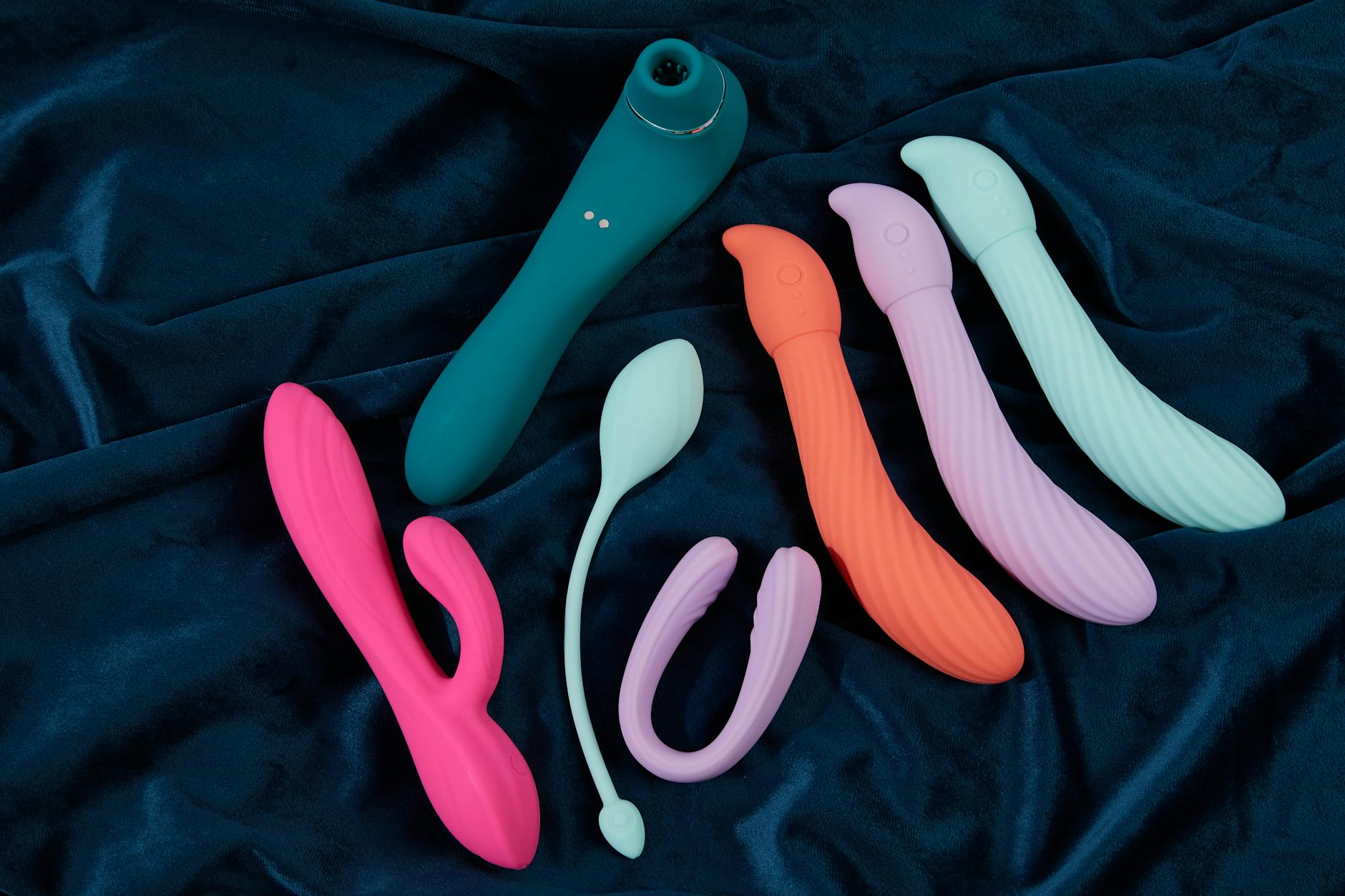
Lemon vibrators, especially lemon sucker-style clitoral vibrators like those from Hello Nancy, work differently. They use gentle air-pulse technology instead of the traditional buzzing that dominates the market. That's not just a different sensation. It's a different conversation.
The technology creates a seal around the clitoris and then releases it rhythmically. It's a pulsing rather than a vibration. For someone who's been in their head, stressed, distracted, or touched out, this feels like being met where you actually are, not where you used to be.

Photo by Frank Schrader on Pexels
The neuroscience of pleasure after disconnection
When couples have been distant, the nervous system gets confused. Touch starts to feel unsafe because it's asking for something. Sexual touch especially starts to feel demanding, even when neither partner intends it that way.
Lemon clitoral vibrators reset this. Because the sensation is localized and under your control, your body doesn't have to anticipate or prepare for something bigger. There's no script. No expectation that this leads anywhere. That permission to stop the story is actually the thing that lets pleasure start again.
My clients report something consistent: using a lemon vibrator alone first, after months of disconnection, was the moment pleasure stopped feeling like a performance and started feeling like permission. Then introducing it with a partner wasn't about "proving you still work together." It was just about exploration. Lower stakes.
The second-order effect: when pleasure returns, without shame or performance pressure, couples often find themselves talking differently. Laughing. Touching in non-sexual ways that had also disappeared. The vibrator isn't the connection. It's the match that lets people remember they actually want to be close.
How to use a lemon vibrator intentionally in a struggling relationship
There are a few patterns that work:
Solo first, then together. Take maybe a week or two of solo exploration. This isn't about orgasm. It's about remembering what pleasure feels like on your body, without anyone else's timeline or expectations present. Use the lemon vibrator for five to ten minutes before bed or in the bath. No goal. No pressure to finish. Just sensation.
Then invite your partner to be present without pressure. This might mean they sit next to you while you use it, or they hold you, or they're just in the room. There's zero expectation of sex. The message is: "I'm working on remembering how to feel good. I want you near me while I do it." Most partners who've been distant respond to this with tremendous tenderness because it's not a demand. It's an invitation.
Build from there. Sometimes the lemon vibrator becomes part of shared sex. Sometimes it doesn't. That's not the goal. The goal is reconnection, and that can happen lots of ways.
The specific thing lemon vibrators do for anxiety and avoidance
When couples have been distant, sex often becomes tied to performance anxiety. Will it go well? Will someone feel rejected? Will it hurt? The performance pressure makes the body contract, which makes pleasure harder, which validates the fear, which creates avoidance.
Lemon adult toys interrupt this loop because they're not about proving anything. A lemon clitoral vibrator isn't going to cure a damaged relationship. But it can be the physical space where someone feels safe experimenting with sensation again, which is often the first step back to desiring their partner.
I had a client, Marcus, whose marriage had gone quiet after his wife's miscarriage. No one was blaming anyone, but sex felt impossible. They tried talking. They tried taking a break. Nothing shifted. When I suggested they try a lemon vibrator together with zero agenda, he was skeptical. But his wife used it while he held her one afternoon, and she actually laughed for the first time in months. "I forgot what that felt like," she said. Not the vibrator. Laughter. Permission. Being with her partner without it being about fixing something.
That was eight months ago. They're still working with a therapist. But intimacy came back. The lemon vibrator wasn't magic. It was just the permission structure.
When not to use a lemon vibrator as a relationship fix
Let me be clear on what I'm not saying. A lemon vibrator cannot heal active betrayal, untreated addiction, or abuse. If your relationship is in crisis because of these things, the tool isn't a vibrator. It's a couples' therapist.
Lemon clitoral vibrators work best for couples where the disconnection is circumstantial (life stress, health changes, simple avoidance) rather than structural (broken trust, emotional neglect, fundamental incompatibility). If you're not sure which category you're in, that conversation with a therapist should come first.
Building back desire intentionally
Desire after disconnection doesn't usually return the way it left. It doesn't come back as urgent or spontaneous or mutual in the same moment. It rebuilds asymmetrically, in fits and starts, with a lot of patience.
What I tell my clients is this: lemon vibrators are one tool in that rebuilding. They're not the work. The work is the conversation, the vulnerability, the showing up even when you're scared. But having a tool that makes pleasure feel safe and possible again? That changes the whole frame.
People also ask
Can using a lemon vibrator together actually improve a relationship?
A vibrator can't fix a broken relationship, but it can shift the physical dynamic. When couples reintroduce pleasure after months of disconnection, it often opens up emotional connection too. The key is making sure both people actually want to be close again. If one partner is using the vibrator under pressure or obligation, it won't work. The invitation has to be mutual.
What if my partner feels threatened by a lemon vibrator?
This usually means something about your relationship feels unsafe or insecure. Before introducing any toy, you need the conversation: "I'm interested in exploring pleasure together, and I think this tool might help us both feel more comfortable." If your partner is fundamentally threatened by it, that's worth exploring with a therapist. Sometimes the vibrator is a symbol for a bigger conversation that needs to happen.
How long does it take to rebuild intimacy using a lemon vibrator?
There's no timeline. Some couples reconnect physically within a few weeks of intentional practice. Others take months. The vibrator isn't a shortcut. It's a bridge. Rebuilding the emotional intimacy that sex hangs on takes longer than rediscovering physical sensation.
Should we use a lemon vibrator even if we're not having relationship problems?
Absolutely. Healthy couples use vibrators too. If you're curious about the different sensation or you just want to explore together, that's plenty of reason. How to use lemon vibrators during foreplay with a partner covers how to integrate them into an already-solid sex life.
Is the Lem or another lemon clitoral vibrator better for couples than traditional vibrators?
It depends on what you're both looking for. Lemon vibrators use air-pulse technology, which feels gentler and more localized than traditional buzzing vibrators. For couples rebuilding intimacy, that tenderness can matter. For couples who already have good sexual communication, it's more about preference. Lemon vibrators vs. traditional vibrators has more detail on the differences.
What if only one of us wants to rebuild intimacy?
That's a harder situation, and it's probably bigger than a vibrator can address. If one partner has emotionally checked out, the issue is usually about the relationship itself, not about tools or techniques. A good therapist can help you figure out what both people actually need.
The real work
Intimacy after disconnection requires three things: vulnerability, consistency, and patience. A lemon clitoral vibrator can create the physical conditions where vulnerability feels safer. It can give you a way to practice pleasure together that doesn't carry all the weight of years of not touching. But the vibrator isn't the intimacy.
The intimacy is in choosing each other again, in showing up even when it feels awkward, in being willing to let pleasure be clumsy and weird and new. That's the work. The lemon vibrator is just the permission slip.
If you're in the space where intimacy needs rebuilding, start with a conversation. Then maybe try solo exploration first. Then invite your partner. Go slow. Notice what shifts. That's where real reconnection happens.